
Creator Media Kit Checklist: What Brands Actually Need to See
Author
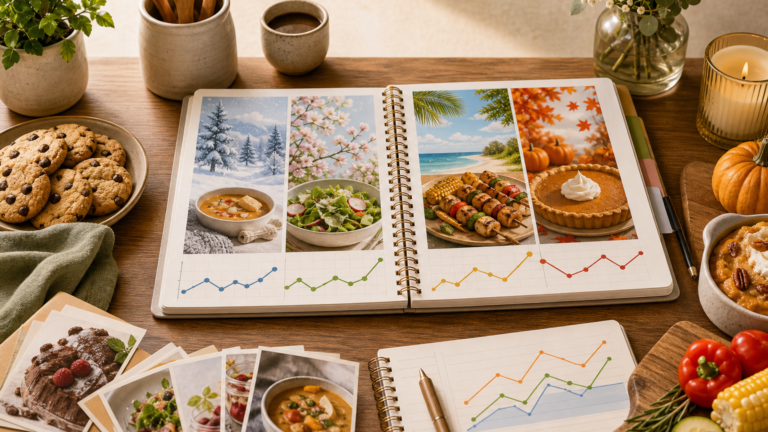
Your media kit should answer a brand's biggest questions before they have to ask them: Who do you reach, what can you create, and why should they trust you with their campaign? It is less a scrapbook of your best posts and more a concise partnership brief.
More articles you'll love
 Best Content Analytics Tools for Creators Who Need Better Topic Ideas
 How Content Creators Can Add Holiday Revenue Streams Without Starting From Scratch
 Digital Products You Can Make From Content You Already Publish
 How Creators Can Build an Email List Without Giving Away a Free Ebook
 How to Choose the Best Link-in-Bio Tools for Creators Who Want to Grow an Email List
The goal is not to impress a brand with every number you have. It is to make the right information quick to find, credible, and relevant to the specific collaboration you are pitching.
Start with a clear creator snapshot
A brand may be seeing your name for the first time, so give it immediate context. Lead with a polished photo or visual, your creator name, a short niche statement, and the platforms where you do your strongest work.
Skip the life story. A useful bio explains your point of view, who you serve, and the kind of content you make. Think: practical home cooking for busy parents, or budget travel guides for first-time international travelers. Specificity helps a potential partner quickly see the fit.
- Your name, handle, location if relevant, and business contact email
- A two or three sentence bio centered on your niche and audience
- Your primary platforms, not an exhaustive list of every account
- A one-line value proposition that explains what makes your content distinct
Show audience quality, not just a follower total
Follower count is context, not the whole case. Include the audience information that helps a brand judge whether its customer is likely to be in your community: top locations, age ranges, gender split when relevant, and interests or needs you consistently see in comments and messages.
Use a recent, clearly labeled reporting period for performance metrics. Match the metric to the format you sell. Short-form creators may prioritize typical views and engagement; newsletter creators should emphasize opens and clicks; podcast creators can use downloads. If you have an email list, it can also show that you are building a direct relationship beyond social reach. How Creators Can Build an Email List Without Giving Away a Free Ebook
- Total audience by primary platform
- Average views or reach for comparable recent content
- Engagement data that reflects your normal performance, not one viral outlier
- Audience demographics and leading locations, where available
- A brief plain-language insight about what your audience comes to you for
Make your work and proof easy to evaluate
Choose three to five content examples that resemble the partnership you want. A beauty brand does not need to sift through unrelated recipe posts to find your product storytelling. Include a thumbnail or still, a one-line description, and the relevant result or format.
If you have worked with brands before, add compact case studies. State the objective, what you delivered, and the outcome you can substantiate. Do not inflate results or present a correlation as proof of sales. If affiliate links or trackable promotions have generated meaningful conversions, include that performance with enough context to make it credible. An industry reviewer notes that affiliate performance is often left out of creator media kits despite its value in showing conversion ability. Source
- Examples tailored to the category or campaign you are pitching
- A mix of content formats you can confidently offer
- One or two concise campaign case studies, if available
- Verified affiliate, click, conversion, or sales results when appropriate
- A note on your creative strengths, such as tutorials, product demos, or high-energy video
Spell out the practical next step
A media kit should reduce back-and-forth, not create it. End with the information a brand needs to begin a real conversation: available deliverables, a starting rate or a note that packages are customized, usage considerations, and a direct way to reach you.
You do not have to publish a rigid price list if the scope of your projects varies. But do give brands a useful frame. For example, list your core formats and explain that pricing depends on deliverables, timelines, exclusivity, paid usage, and revisions. Keep the document scannable. Guidance for creators commonly recommends a concise two to three page format, with longer kits reserved for substantial case-study detail. Source
- Your core deliverables and preferred partnership types
- Starting rates or a clear custom-quote approach
- A note that paid usage, exclusivity, and whitelisting are scoped separately when applicable
- A simple call to action, such as email for availability and a custom proposal
- The date the kit was last updated
Review your kit before every targeted pitch. Refresh the numbers, swap in examples that fit the brand, and remove anything that makes a decision harder. The best media kit feels less like a generic resume and more like a confident preview of a partnership that makes sense.
Start earning from your content today. Literally.
Join Trust Me, Try It today and start making money from your new and existing content.