Snickerdoodle Cookies: Homemade Cinnamon Sugar Classics
Author
There is nothing fancy about a great snickerdoodle, and that is exactly why I love one. These Snickerdoodle Cookies: Homemade Cinnamon Sugar Classics come out soft in the middle, lightly crisp around the edges, and wrapped in that warm cinnamon sugar crackle we all start picking at before the cookies even cool.
More recipes from @TheBitchyBaker that you'll love


Watch How to Make It
I make these when I need a no-drama cookie that everybody recognizes and nobody turns down. They smell like a bakery and disappear faster than a cold beer in July, so maybe hide a few before putting out the plate.
The secret is keeping the cookies pale and tender instead of baking them until they look like regular sugar cookies. Cream of tartar gives them that little tangy snickerdoodle bite, while the cinnamon sugar coating brings the cozy stuff.
Why You'll Love This Recipe
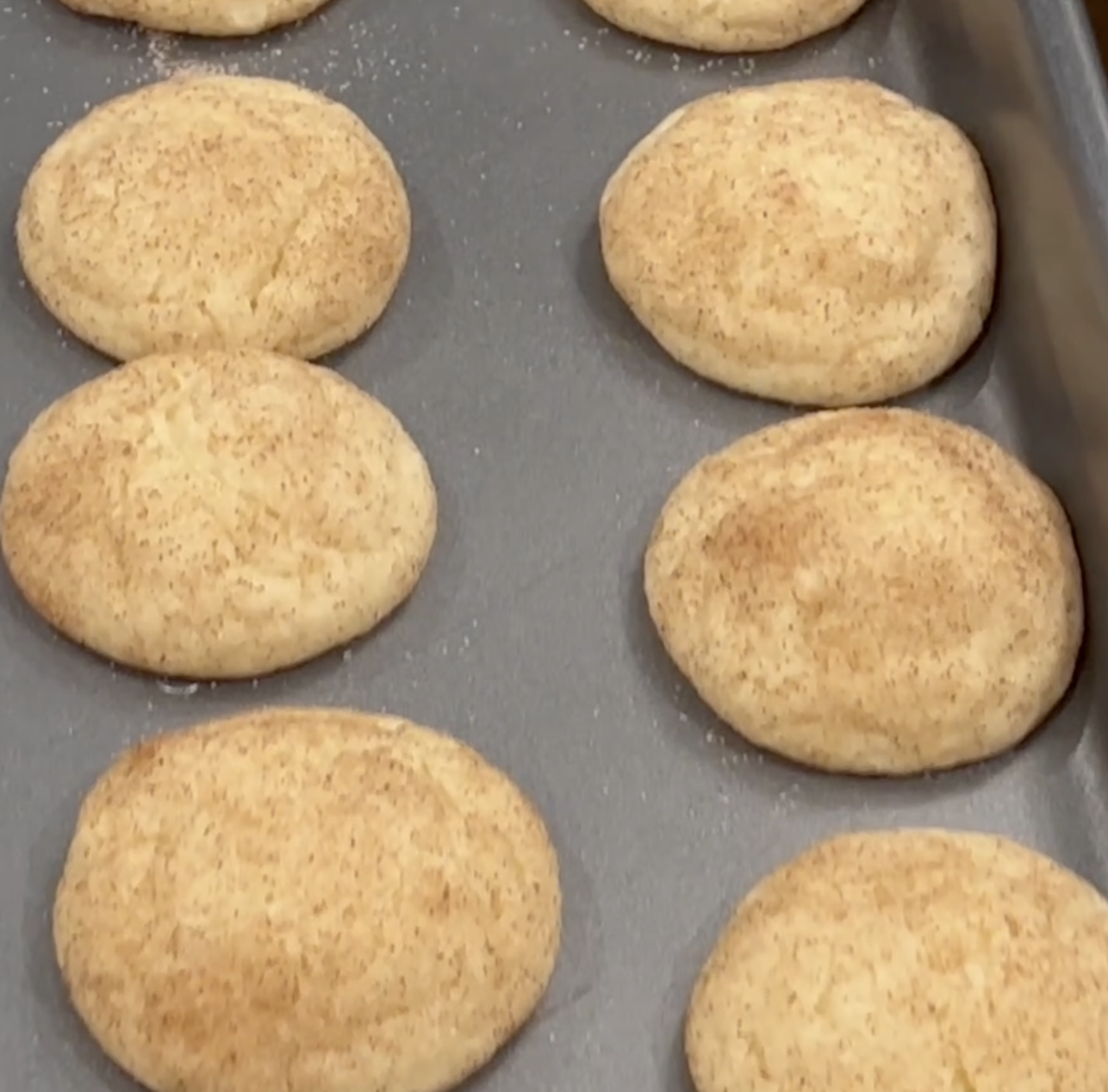
These cookies are buttery, chewy, sweet, and just a little tangy in the best possible way. The centers stay plush enough to sink your teeth into, while the cinnamon sugar outside dries into a thin, crackly shell.
I also love that this is a straightforward homemade cookie dough with ingredients most of us already have hanging around. No chilled dough required, no weird add-ins, no complicated shaping situation.
They are a solid choice for cookie exchanges, school events, holiday trays, or a random Tuesday when you want your kitchen to smell amazing. Serve them slightly warm and watch people go back for a second one like it is somehow not obvious.

Get @TheBitchyBaker’s Latest Creations
Subscribe to get new content from @TheBitchyBaker delivered to your inbox.
Ingredients & Tools You'll Need
You need softened butter, granulated sugar, eggs, flour, cream of tartar, baking soda, and salt for the dough. Then it is just more granulated sugar and cinnamon for the coating, which is where these cookies get their signature look and flavor.
The butter should be soft enough to dent easily with a finger, but not shiny, greasy, or half melted. Softened butter traps air with the sugar, and that gives us a lighter cookie instead of a dense little hockey puck.
Cream of tartar is the ingredient that makes a snickerdoodle taste like a snickerdoodle. It adds a gentle tang and works with the baking soda to help the cookies spread and stay tender without turning cakey.
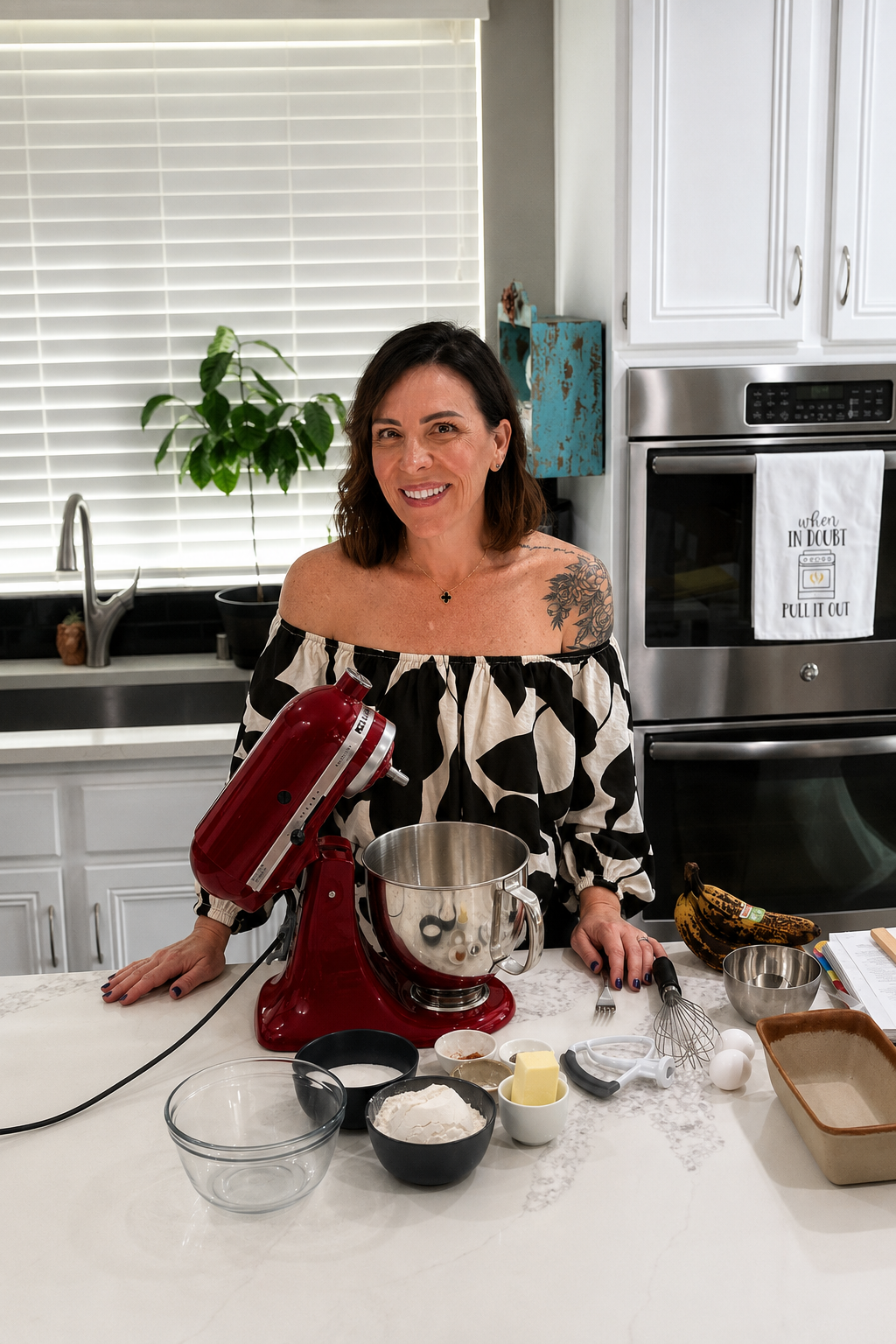
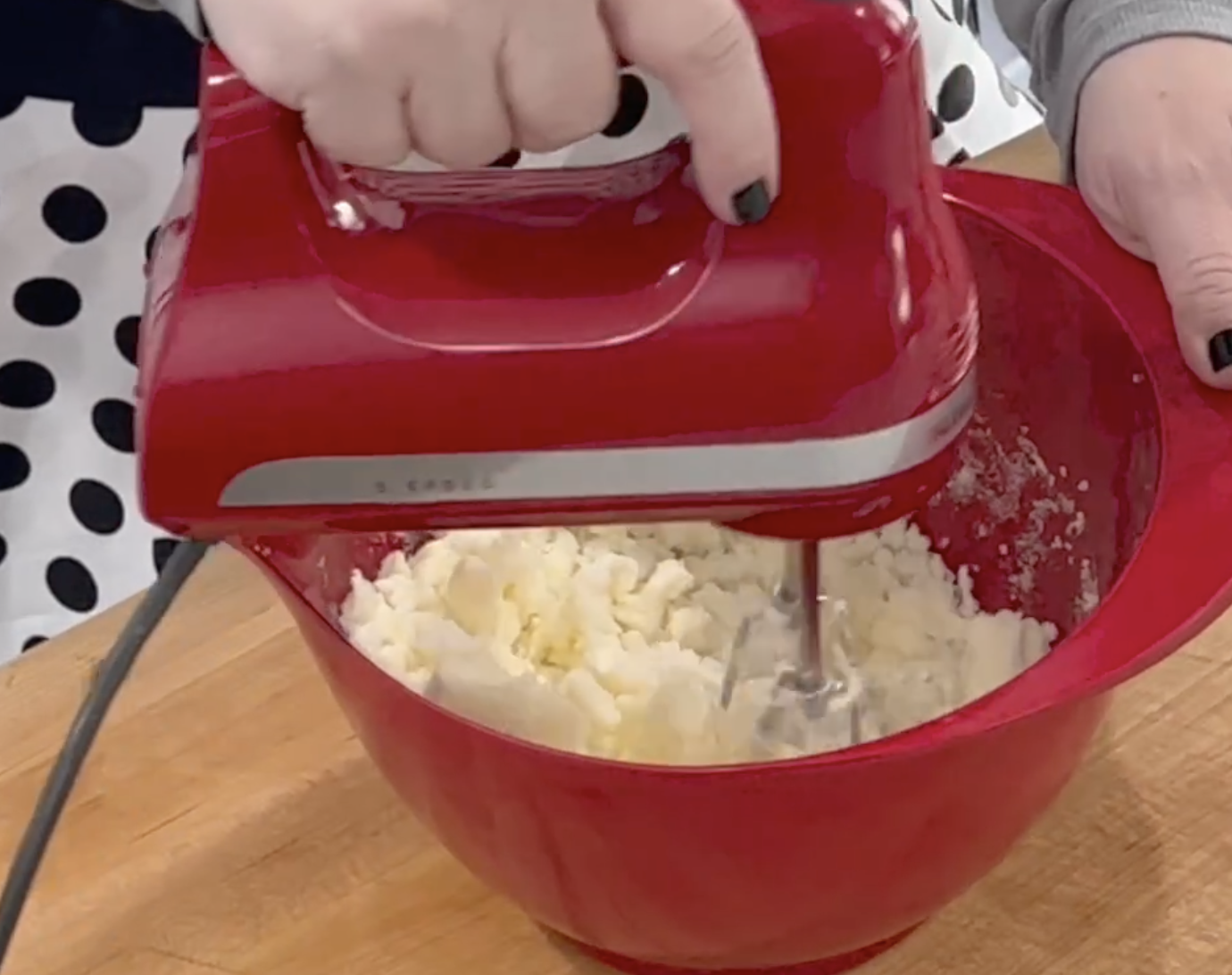
For tools, grab two mixing bowls, a hand mixer, measuring cups and spoons, a rubber spatula, a small bowl for the cinnamon sugar, and an ungreased cookie sheet. I like using a cookie scoop or tablespoon measure so every dough ball bakes at the same pace, because uneven cookies are annoying and I said what I said.
How To Make It
This dough comes together quickly, but do not rush the creaming step or dump all the flour in at once. A little patience here gets you cookies with soft middles, even spread, and that pretty cinnamon sugar finish.
We are going for one-inch dough balls, fully coated all the way around. That complete coating matters because bare spots can bake dull and pale instead of getting that sweet, fragrant outer layer.
Preparation
Start by stirring the flour, cream of tartar, baking soda, and salt together in a separate bowl. Mixing the dry ingredients first keeps the leavening and salt from clumping in one unlucky cookie, which is a small step with a big payoff.
In your larger bowl, beat the softened butter and 1 1/2 cups sugar with a hand mixer until the mixture looks creamy, lighter in color, and fluffy around the edges. Add the eggs and mix again until the dough base looks smooth and thick, with no streaks of egg hanging around.
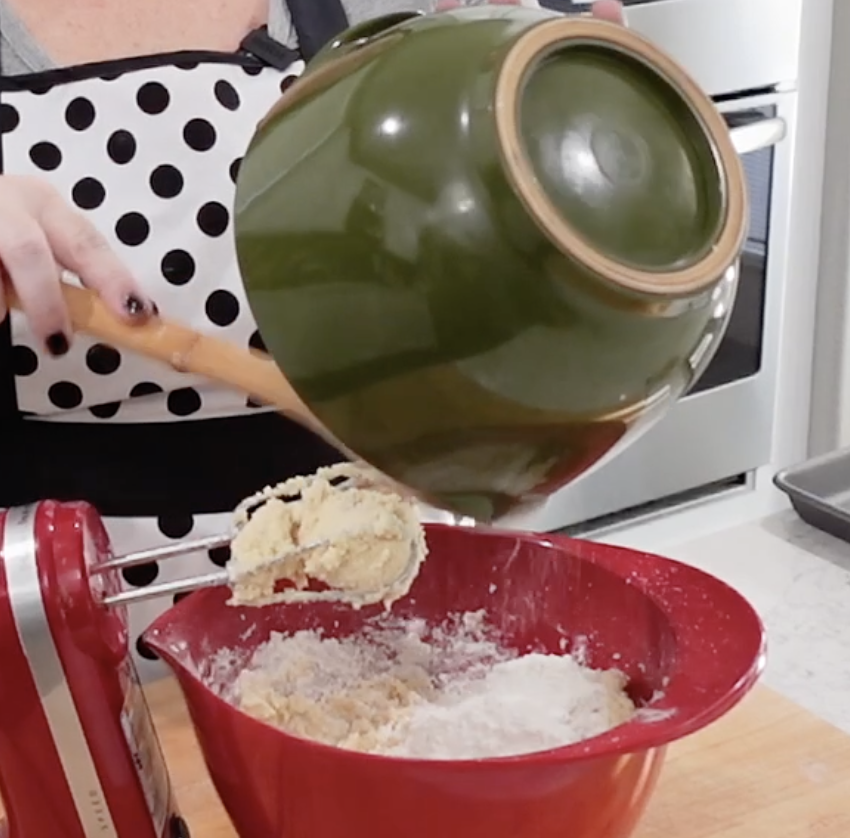
Add the dry mixture one cup at a time, mixing after each addition until the dough comes together. Stop as soon as the last floury streak disappears, then scrape down the bowl with a spatula so you do not leave a bunch of unmixed dough hiding at the bottom.
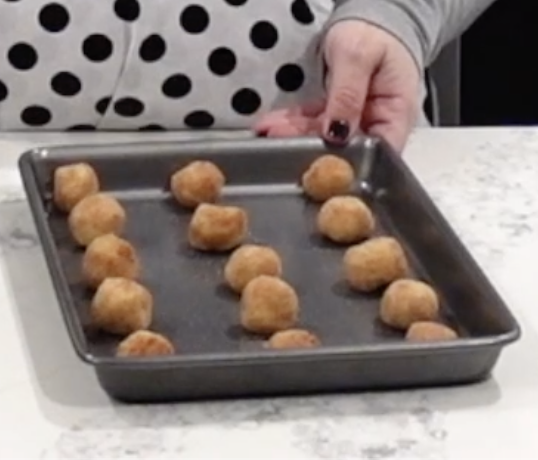
In a small bowl, stir together the 2 tablespoons sugar and cinnamon. Roll the dough into one-inch balls, then roll each ball through the cinnamon sugar until every bit is covered.
This is where most recipes go wrong: they bake the dough until the tops brown, but I pull these while they are still pale and softly puffed so the residual heat finishes the centers without drying them out. That is how you get the classic chewy texture instead of a crunchy cinnamon sugar cookie pretending to be a snickerdoodle.
Cooking
Heat your oven to 350 F and place the coated dough balls two inches apart on an ungreased cookie sheet. Give them room, because they will relax and spread into those crinkly little rounds as the butter warms up.
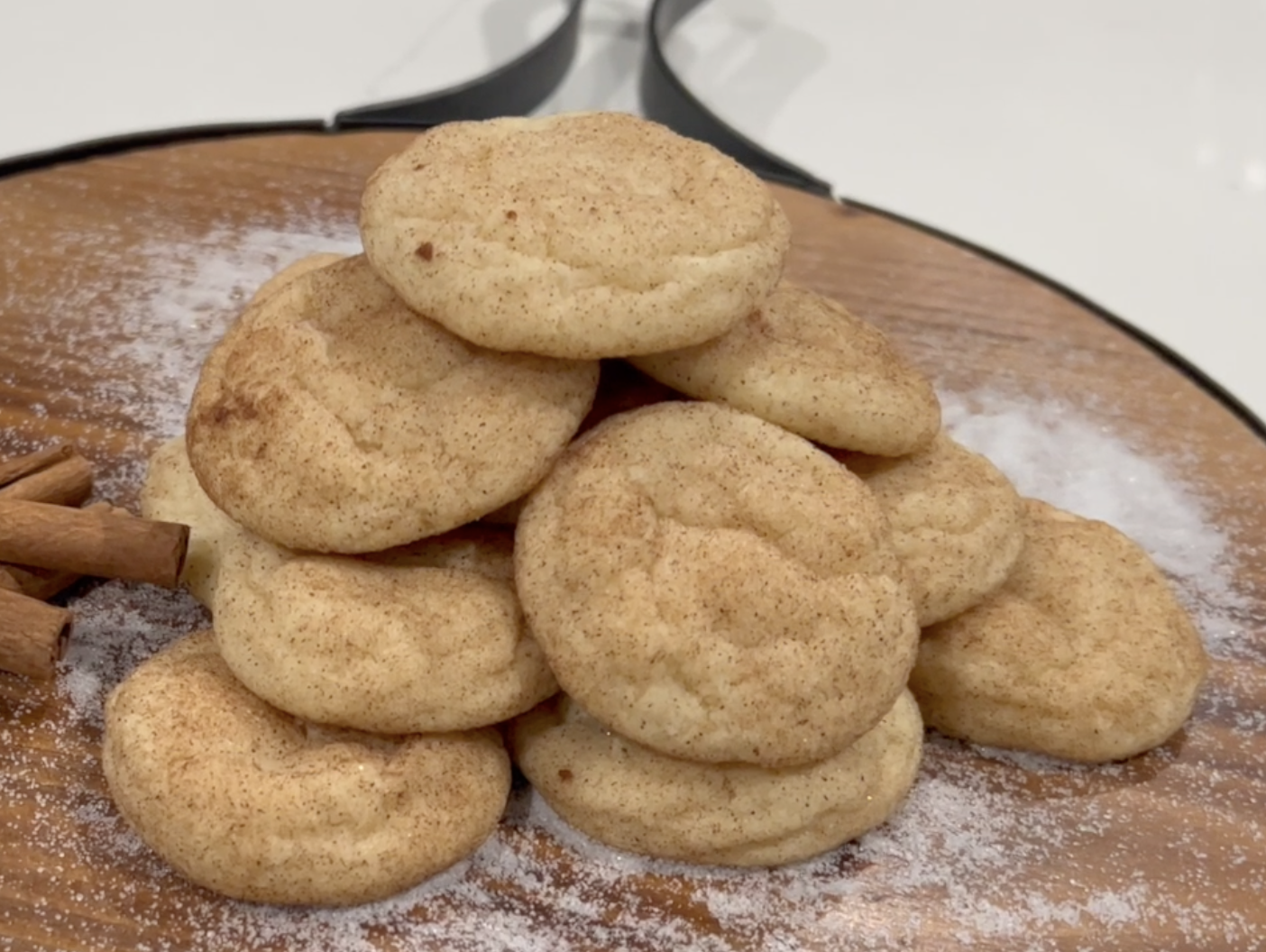
Bake them for 8 to 10 minutes, but trust your eyes more than the timer. The edges should look set and just barely firmer than the center, while the tops stay pale, soft, and lightly cracked under the cinnamon sugar.
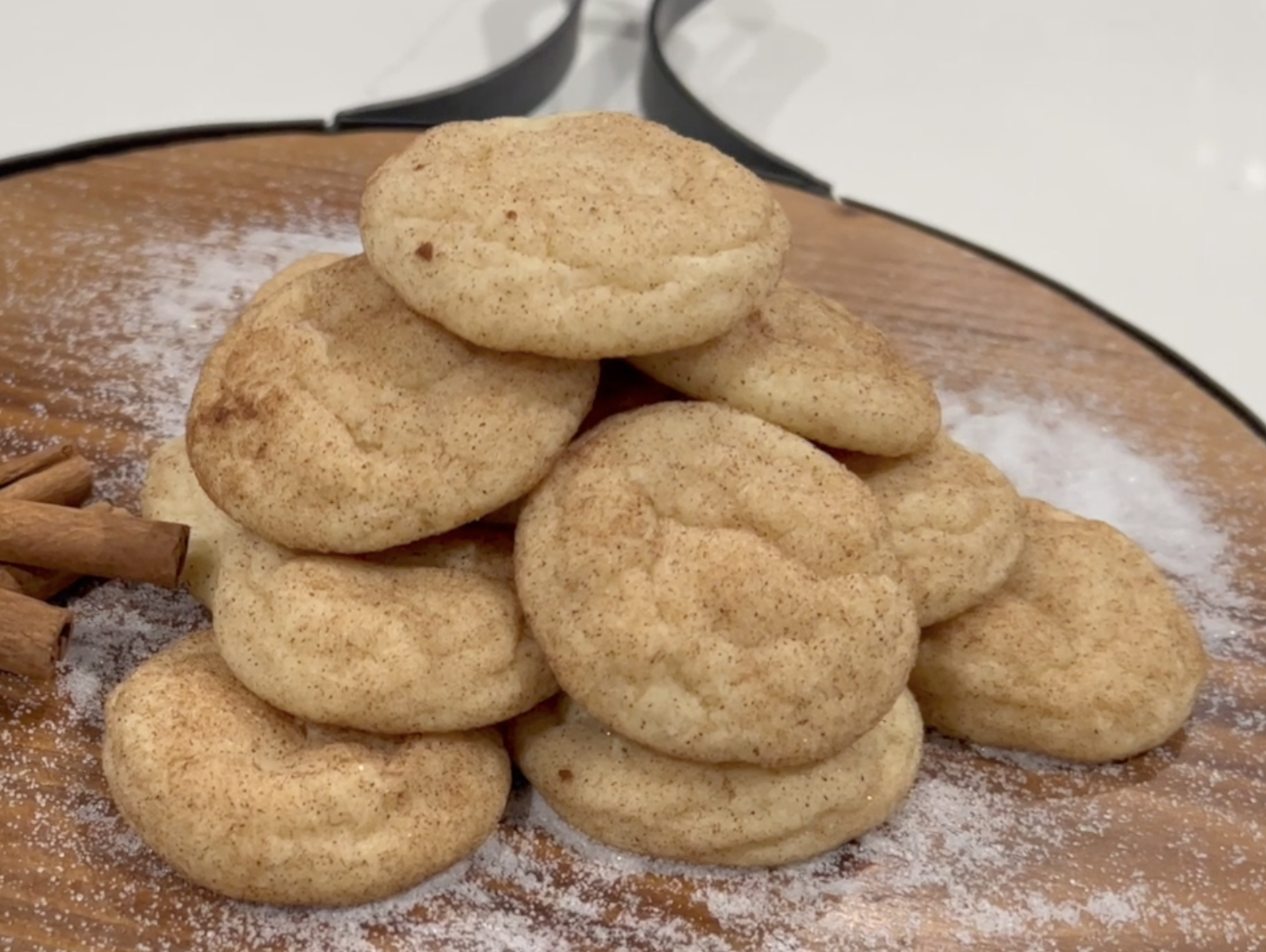
You should smell warm butter, toasted cinnamon, and that faint tangy bakery smell from the cream of tartar. If the bottoms are getting brown or the tops look dry, they have gone too far, so pull the next tray sooner.
When you tap the edge gently, it should feel set but not hard. Let the cookies sit on the cookie sheet for a few minutes after they come out, because they finish settling as they cool and that is when the middles turn beautifully chewy.
My best pro-tip is to reserve a small pinch of the cinnamon sugar mixture and dust it over the cookies right after they come out of the oven. The warm surface grabs it without melting it away, giving you a fresher cinnamon aroma and a more noticeable sparkly coating than rolling alone can deliver.
Serving & Variations
I love these with cold milk, hot coffee, or a mug of tea when the weather gets chilly. They are also excellent tucked into an ice cream sandwich situation, especially with vanilla ice cream, because the tangy cookie keeps the whole thing from tasting flat.
A common consensus among home cooks is: snickerdoodles are at their best when they are underbaked slightly and allowed to finish on the hot pan. That is the move for soft centers, and it is worth repeating because golden brown tops may look tempting but usually mean a drier cookie.
For a simple serving upgrade, stack a few cookies on a plate while they are still a little warm and let that cinnamon scent do all the work. If you are packing them up for later, let them cool completely first, then store them in an airtight container at room temperature so the coating stays less sticky.
These hold well for a few days, though they are definitely softest on day one. If they firm up a little, a few seconds of gentle warming brings back that fresh-baked feel without turning them into a crumbly mess.
Cream of tartar gives snickerdoodles their classic tangy flavor and soft, chewy texture. It also reacts with baking soda to help the cookies rise properly. Yes, but the flavor and texture will be slightly different. You can replace the cream of tartar and baking soda with 2 teaspoons of baking powder. Cookies may spread if the butter was too warm, the dough was not chilled, or too little flour was added. Measure flour carefully and chill the dough if it feels soft. Store cooled snickerdoodles in an airtight container at room temperature for up to 5 days. Add a small piece of bread to the container to help keep them soft. Yes. Roll the dough into balls, coat them in cinnamon sugar, and freeze on a baking sheet. Transfer frozen dough balls to a freezer bag and bake from frozen, adding 1 to 2 minutes to the baking time.Frequently Asked Questions
Why do snickerdoodles use cream of tartar?
Can I make snickerdoodles without cream of tartar?
Why did my snickerdoodles spread too much?
How should I store snickerdoodle cookies?
Can I freeze snickerdoodle dough?
Wrapping Up
These are the kind of homemade cookies that make people wander into the kitchen asking what smells so good. Keep them pale, let them settle on the pan, and do not skimp on the cinnamon sugar coating – trust me, you will love the soft, chewy payoff.
Once you make them, you will see why this classic never goes out of style. Recipe created by @TheBitchyBaker for Trust Me Try It.
Even more from @TheBitchyBaker


Ingredients
- 1 cup butter softened
- 1 1/2 cup granulated sugar
- 2 eggs
- 2 3/4 cup flour
- 2 tsp cream of tartar
- 1 tsp baking soda
- 1/2 tsp salt
- For the outside of the cookies
- 2 TB granulated sugar
- 1 tsp cinnamon
Instructions
- Mix together flour, cream of tartar, baking soda and salt together in a separate bowl and set aside.
- Cream together with a hand mixer sugar and butter. Once combined add eggs and mis until creamy.
- Add dry ingredients that you set aside 1 cup at a time and mix until all combined.
- Shape dough into 1 inch balls and roll in the cinnamon/sugar mixture in another bowel until ball is completely coated.
- Place cookies 2 inches apart on an ungreased cookie sheer.
- Bake for 8-10 minutes at 350f. Do not let the cookies turn brown.
Want to see more of my creations?
Tell Google you want to see more of my creations in your search results.