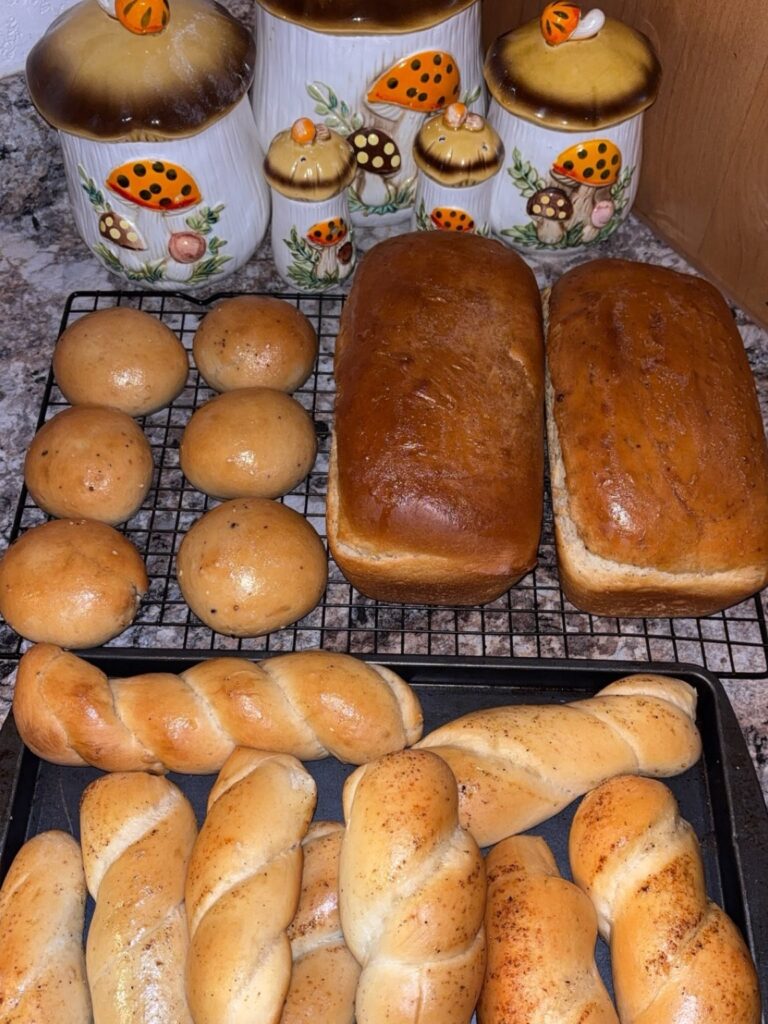
Homemade Pesto Bread
Author

Want to see more of my creations?
Tell Google you want to see more of my creations in your search results.
Fresh-from-the-oven bread has a way of making a regular dinner feel like an occasion, and this Homemade Pesto Bread does exactly that. I love how the basil scent hits the kitchen first, followed by that warm, buttery bakery smell. It looks impressive in the pan but is honestly very doable, even if yeast dough usually makes you nervous.
More recipes from Xena’s Kitchen that you'll love



Watch How to Make It
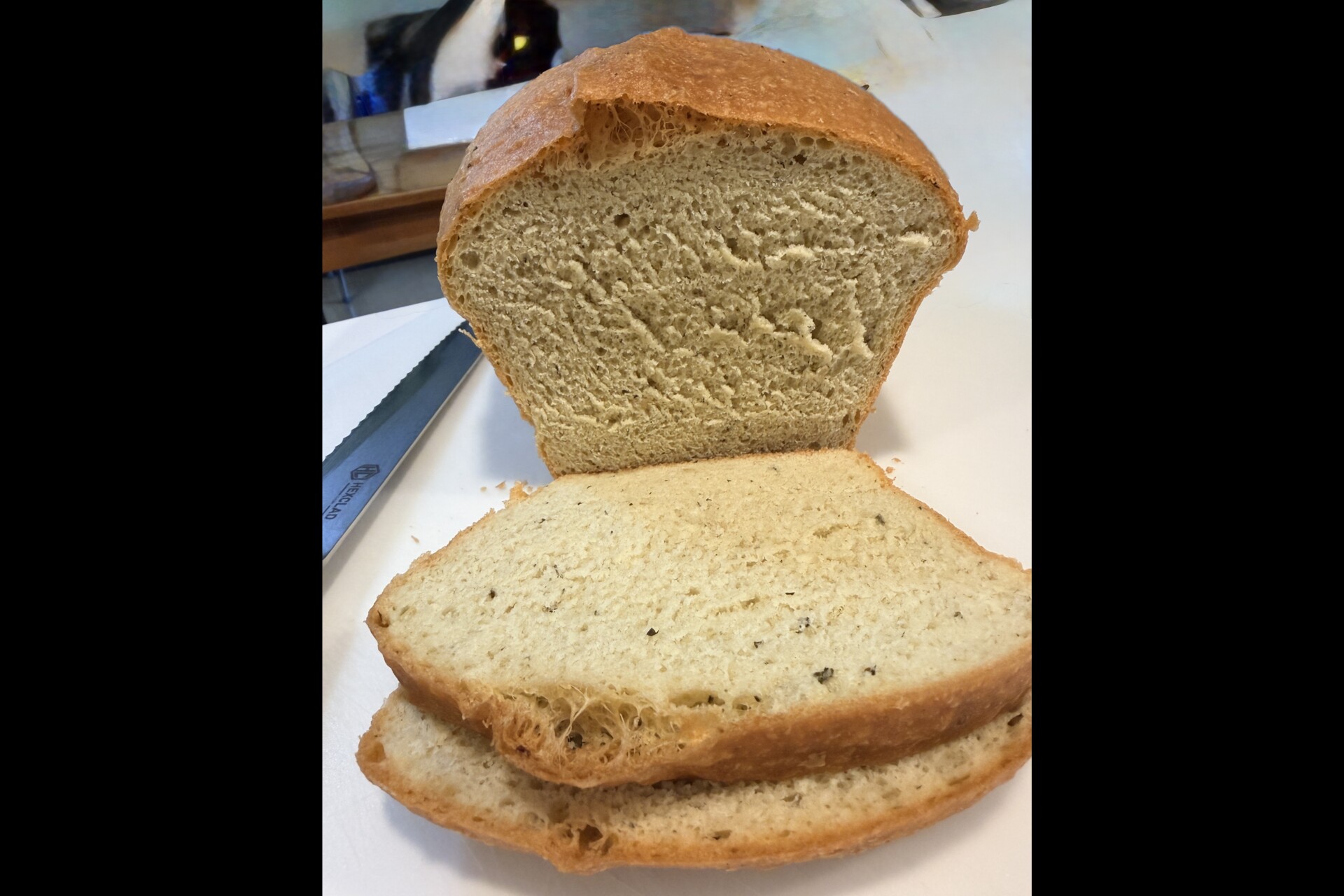
The pesto gets worked right into the dough, so every slice has savory green streaks and a soft, flavorful middle instead of just a little topping on the surface. It is the kind of loaf that gets torn into while it is still warm, and nobody waits politely for dinner to start. Trust me, you'll want a little extra melted butter nearby.
Why You'll Love This Recipe
I make this bread when I want something more exciting than a plain dinner roll but do not feel like fussing with a complicated braid or tiny individual rolls. The dough rises into a tall, tender loaf with a lightly crisp top and a buttery finish. It is sturdy enough for slicing, but the inside stays soft and pull-apart tender.
The pesto brings salty, garlicky, herby flavor all the way through the loaf. Every slice looks a little different, which is half the fun. You get those gorgeous green swirls without needing fancy shaping skills or a countertop covered in flour.
This is also a great make-ahead side for pasta night, soup, grilled chicken, or a big snack board. Put it on the table warm and watch it disappear faster than a cold beer in July. Leftovers are just as good toasted the next day.
Ingredients & Tools You'll Need
For the dough, I use bread flour, warm water, salt, active dry yeast, a beaten egg, olive oil, and your choice of sugar, honey, or agave. Bread flour gives the loaf a little more chew and structure, which matters once we work that pesto into the dough. The egg keeps the crumb tender and gives the bread a richer bite than a basic lean loaf.
You will also need pesto for kneading into the dough and melted butter for brushing before and after baking. Use a pesto you genuinely enjoy eating by the spoonful, because its flavor is front and center here. A bold basil pesto with garlic and Parmesan gives the best color and savory punch.
For tools, grab a large mixing bowl, a stand mixer with a dough hook if you have one, a loaf pan, a clean kitchen towel or cover, and a wire rack. An instant-read thermometer is helpful too, especially if you have ever sliced into bread that looked done but turned out gummy in the middle. No shame there – we have all been burned by a beautiful loaf with a sneaky raw center.
How To Make It
This homemade savory bread follows a simple rhythm – wake up the yeast, mix and knead the dough, work in the pesto, then give it time to rise twice. The waiting is not glamorous, but it is where the soft, airy texture happens. Do not rush those rises and you will be in great shape.
I like to keep my work surface lightly floured and my loaf pan greased before the dough is ready. That way, once the dough is smooth and full of pesto, I can shape it without stopping to hunt for supplies. A little setup makes bread day feel relaxed instead of like a floury emergency.
Preparation
Start by combining the warm water, yeast, and sugar, honey, or agave. Let it stand for 5 to 10 minutes until the surface looks foamy and active. If it stays flat and quiet, your yeast may be old or the water may have been too hot or too cold, so it is better to start over now than waste the rest of the ingredients.
Mix in the bread flour, salt, olive oil, and beaten egg. Knead at medium speed for 5 to 10 minutes, until the dough is smooth, elastic, and pulling away from the sides of the bowl. When you press it lightly with one finger, it should spring back slowly instead of feeling wet and slack.
Gently knead in the pesto until it is combined throughout the dough. This can look a little messy at first, with green streaks slipping around and bits of pesto trying to escape, but keep going gently. This is where most recipes go wrong – they use pesto only as a surface filling, but kneading it into the dough gives every slice deeper flavor and keeps the loaf from separating into slippery layers.
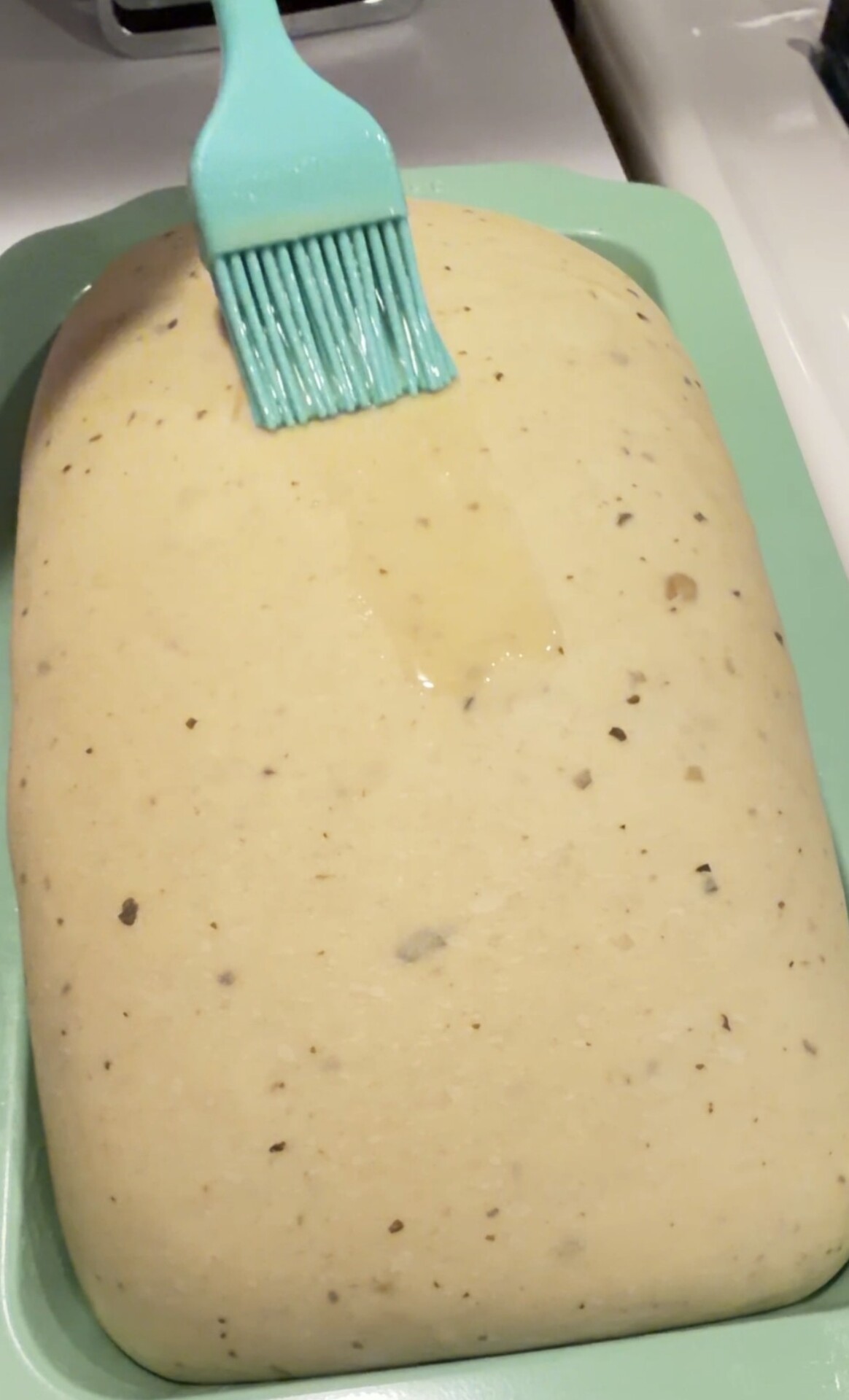
Place the dough in an oiled bowl, cover it, and let it rise for about 1 hour, or until it has doubled in size. The dough should look puffy and feel airy when you gently poke it. Shape it into a loaf, set it in a greased loaf pan, cover it again, and let it rise until the dough has climbed above the rim of the pan.
Cooking
Heat the oven to 400 F. Brush the risen loaf with melted butter right before it goes in, which helps the crust turn glossy and deeply golden. The butter also gives the top that rich, savory smell that makes everyone suddenly wander into the kitchen asking when dinner is ready.
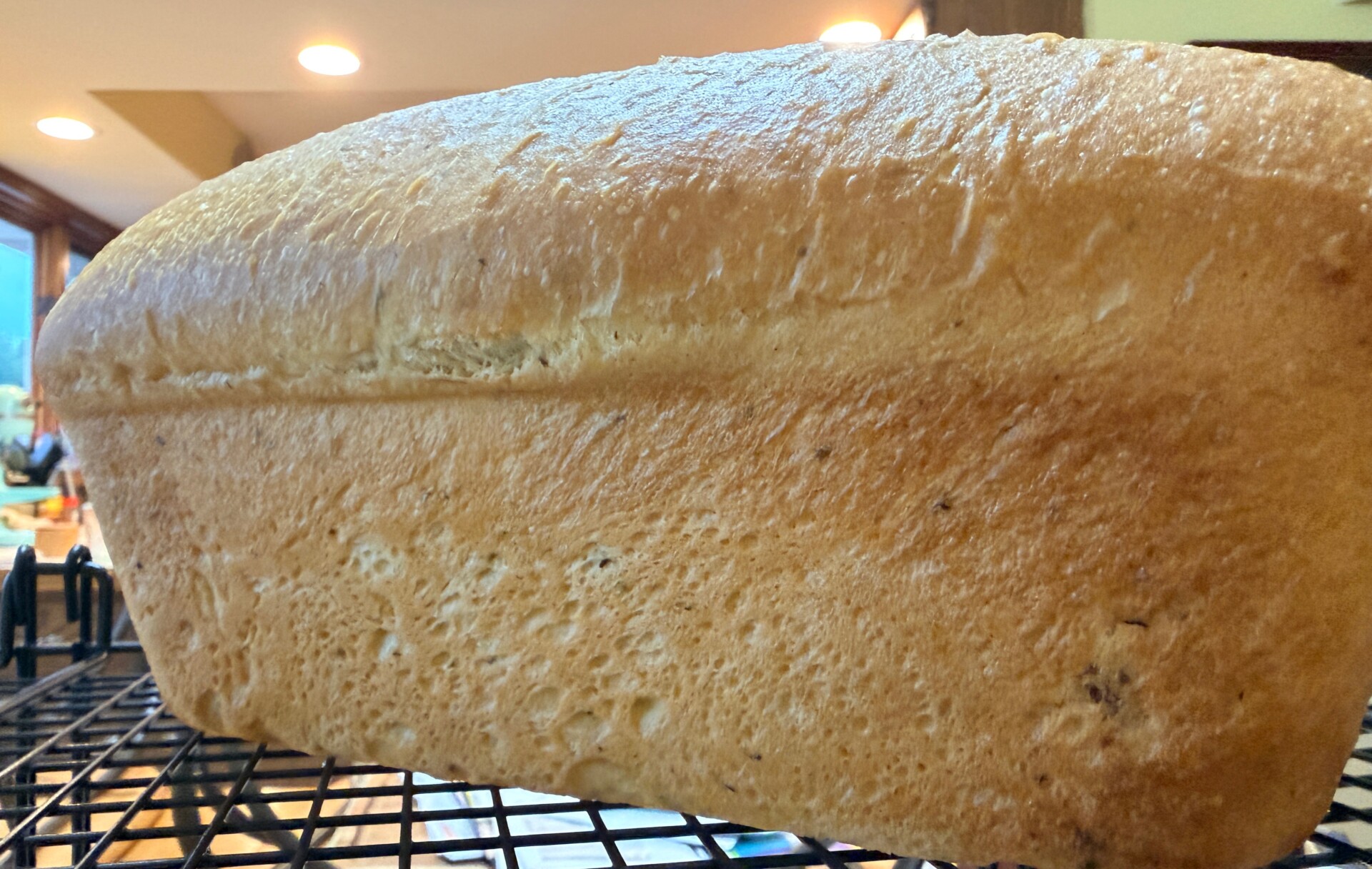
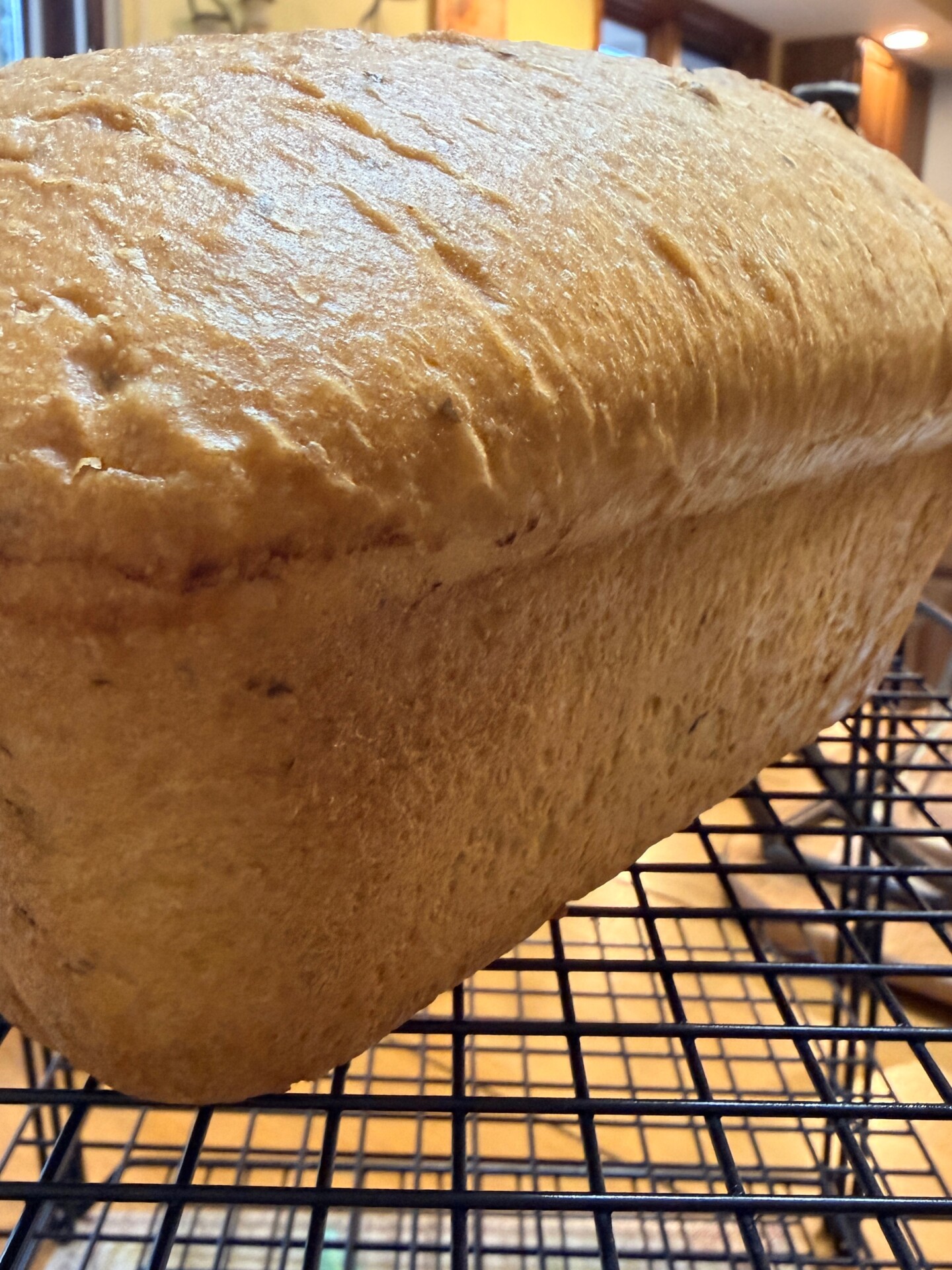
Bake for 25 to 35 minutes, but let the loaf tell you when it is done. The top should be a deep golden brown with darker pesto-speckled spots, the crust should feel firm rather than squishy, and the loaf should sound hollow when you tap the bottom carefully. Your kitchen should smell buttery, herby, and a little like a pizza shop in the best possible way.
For the most reliable check, the center should reach 190 F on an instant-read thermometer. If the top is browning quickly while the center needs more time, loosely tent it with foil and keep baking. That protects the buttery crust without trapping steam and making it soft.
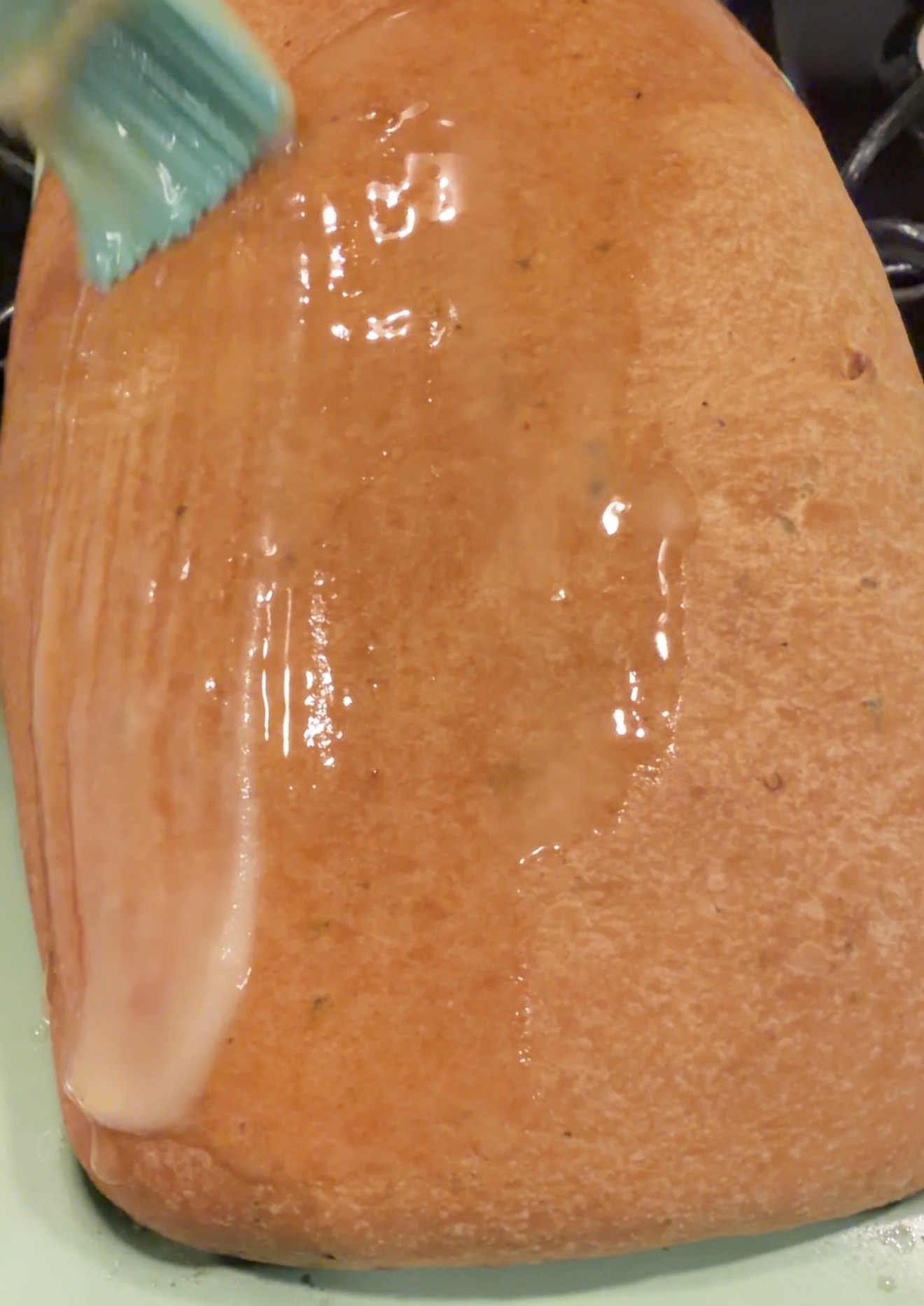
Move the bread to a wire rack once it comes out of the oven, then brush it with more melted butter while it is hot. Let it cool before slicing so the interior can finish setting up. I know that is tough, but cutting too early can squash the soft crumb and make the slices look doughy.
Serving & Variations
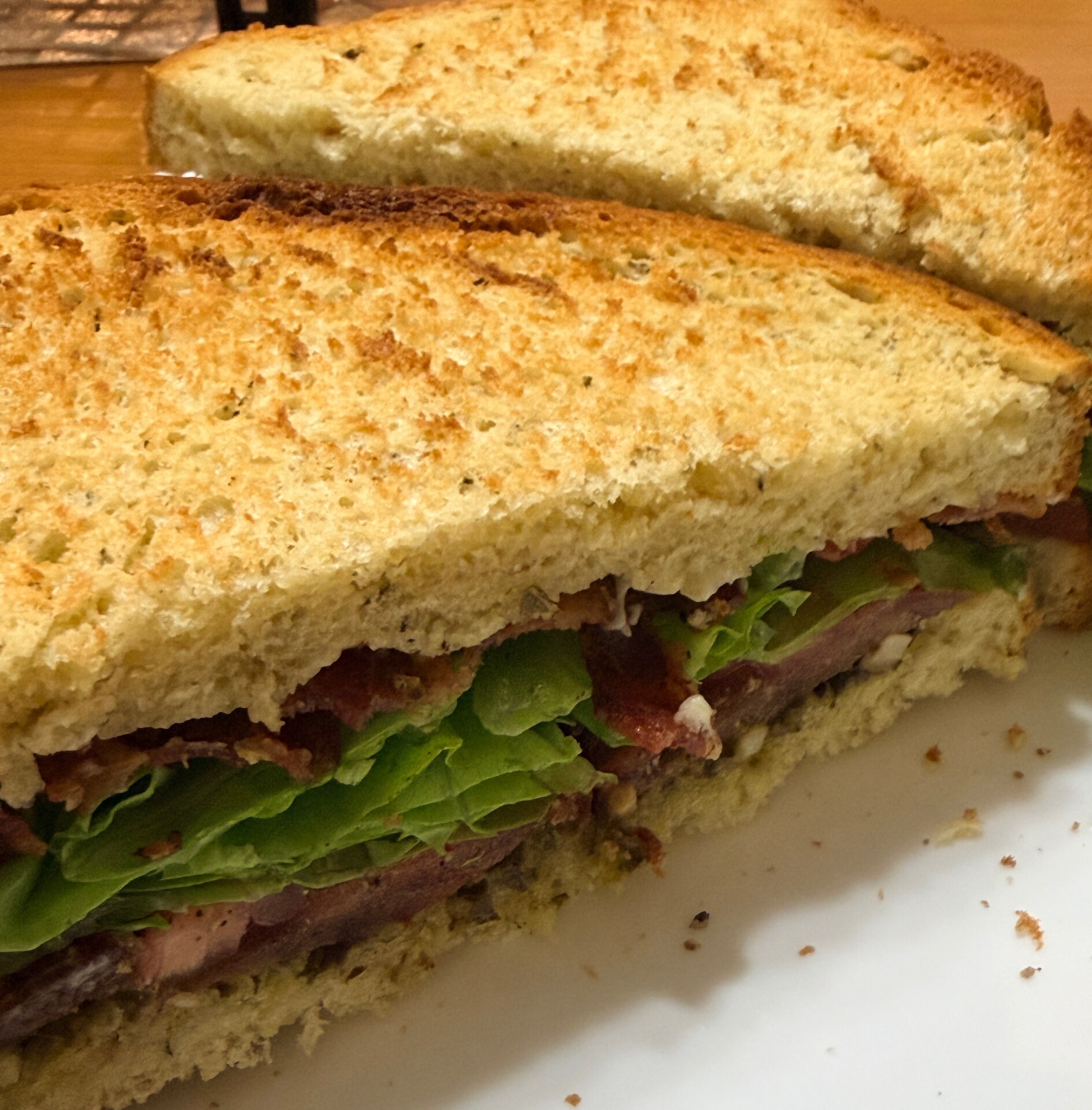
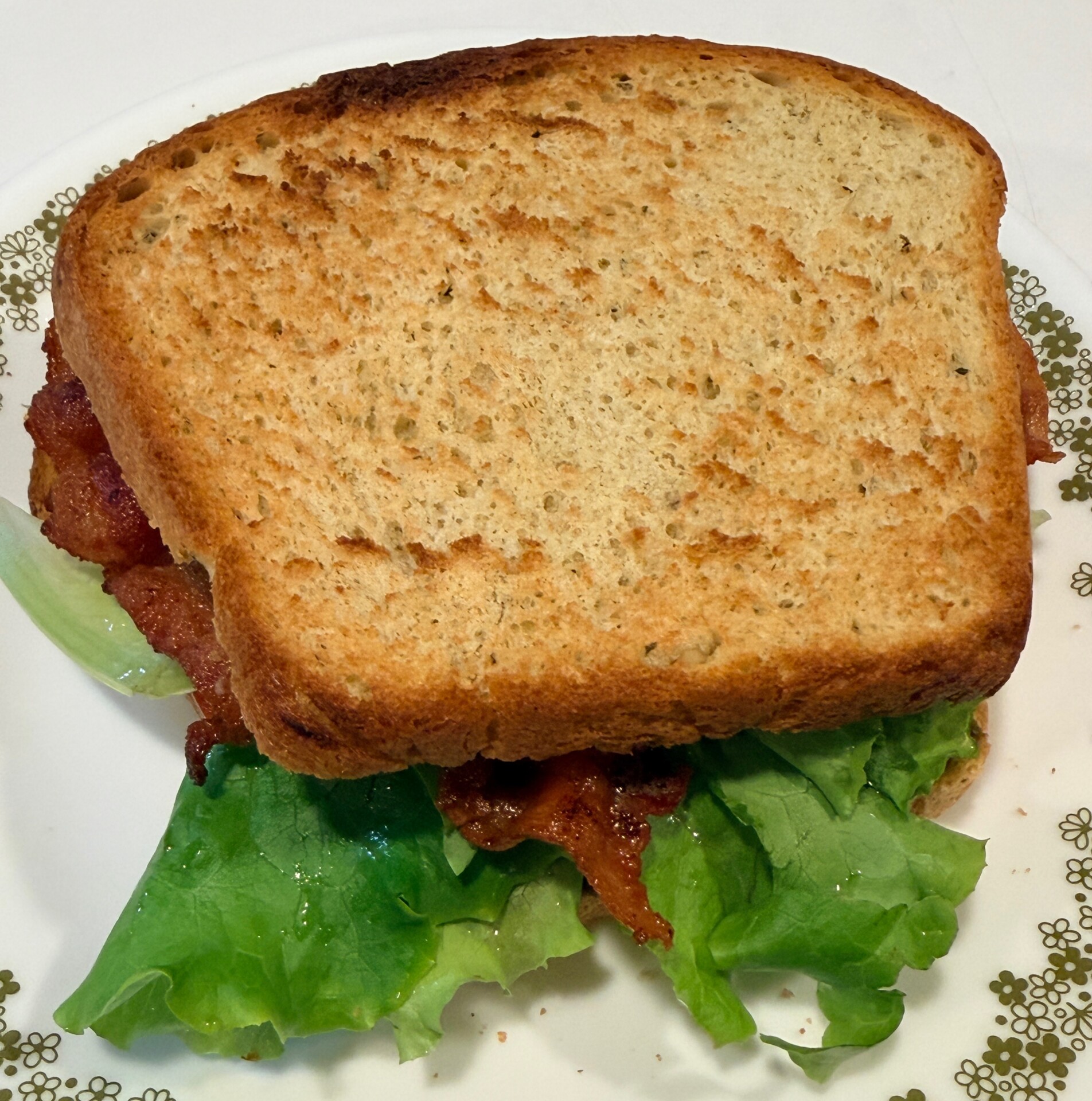
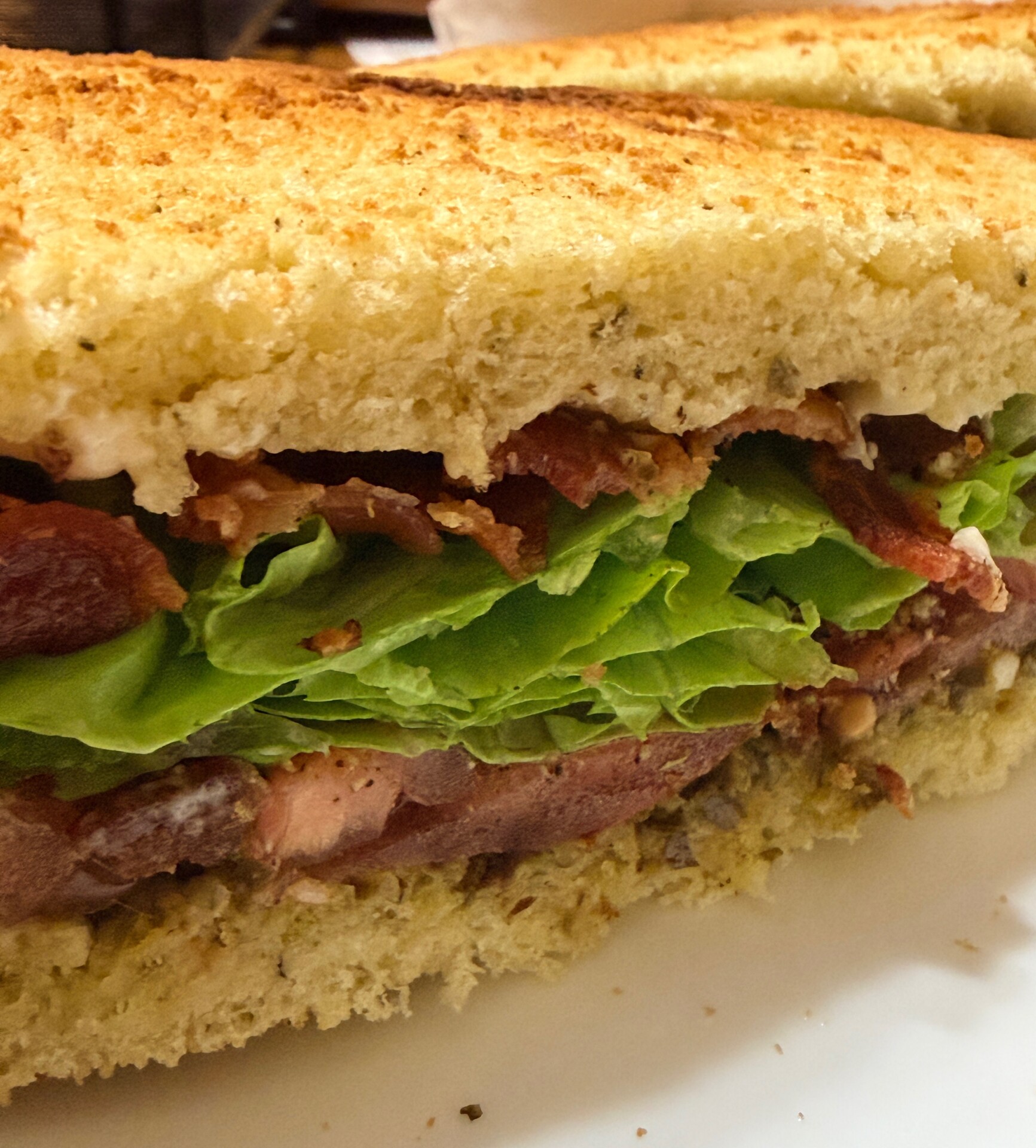
I like serving this pesto loaf warm beside tomato-heavy pasta, creamy soups, grilled vegetables, or roasted chicken. It is also ridiculously good split, toasted, and topped with a fried egg. For a casual appetizer, slice it thick and set it out with olive oil, balsamic vinegar, and a little extra pesto for dipping.
A common consensus among home cooks is that pesto bread is best served warm or lightly reheated, not straight from the fridge. The flavors wake back up with a few minutes of heat, and the crust gets its crisp edge back while the center stays soft. If you are storing leftovers, wrap the cooled loaf well and keep it at room temperature for a short time, then toast slices as needed.
Yes. Store-bought pesto works well and makes this recipe faster. Use a thick pesto so the dough does not become too wet. Use a moderate amount of pesto and leave a small border around the edges before rolling the dough. Pinch the seam tightly closed and place the loaf seam-side down in the pan. Store cooled bread in an airtight container at room temperature for up to 2 days. For longer storage, wrap slices tightly and freeze for up to 2 months. Yes. Sprinkle shredded mozzarella, Parmesan, or cheddar over the pesto before rolling the dough. Avoid adding too much cheese, as it can make the filling greasy.Frequently Asked Questions
Can I use store-bought pesto for this bread?
Why did my pesto swirl leak out of the loaf?
How should I store Homemade Bread W/pesto?
Can I add cheese to pesto bread?
Wrapping Up
This is the kind of bread that makes a simple meal feel like you put in serious effort, even though the process is mostly mix, rise, shape, and bake. Give the dough its full rise time, trust the visual cues over the clock, and do not skip that final butter brush. You will get a tall, fragrant loaf with a tender center and enough pesto flavor to make every slice interesting.
Once you make this, plain garlic bread might start feeling a little underdressed. Make it for your next pasta night, bring it to a potluck, or just tear into it warm at the counter – no judgment from me. Recipe created by Xena’s Kitchen for Trust Me Try It.
Even more from Xena’s Kitchen





Ingredients
- 4 cup bread flour
- 1 1/3 cup warm water
- 1 tsp salt
- 2 1/4 tsp active dry yeast 1 packet
- 1 beaten egg
- 2 T olive oil
- 1 T sugar, honey or agave
- Melted butter for before & after baking
Instructions
- Combine warm water, yeast, & sugar. Let sit until foamy. 5-10 min
- Mix in flour, salt, olive oil, & beaten egg
- Knead dough until smooth. Medium speed for 5-10 min until smooth & elastic
- Gently knead in the pesto until combined
- Place dough in oiled bowl/cover & rise for 1 hr until doubled
- Shape into a loaf and place in a greased loaf pan
- Cover & let rise until dough has risen above pan. Bake at 400°F for 25-35 min (205°C) internal temp of 190°
- Let cool on rack