Maple Pulled Pork
Author

Want to see more of my creations?
Tell Google you want to see more of my creations in your search results.
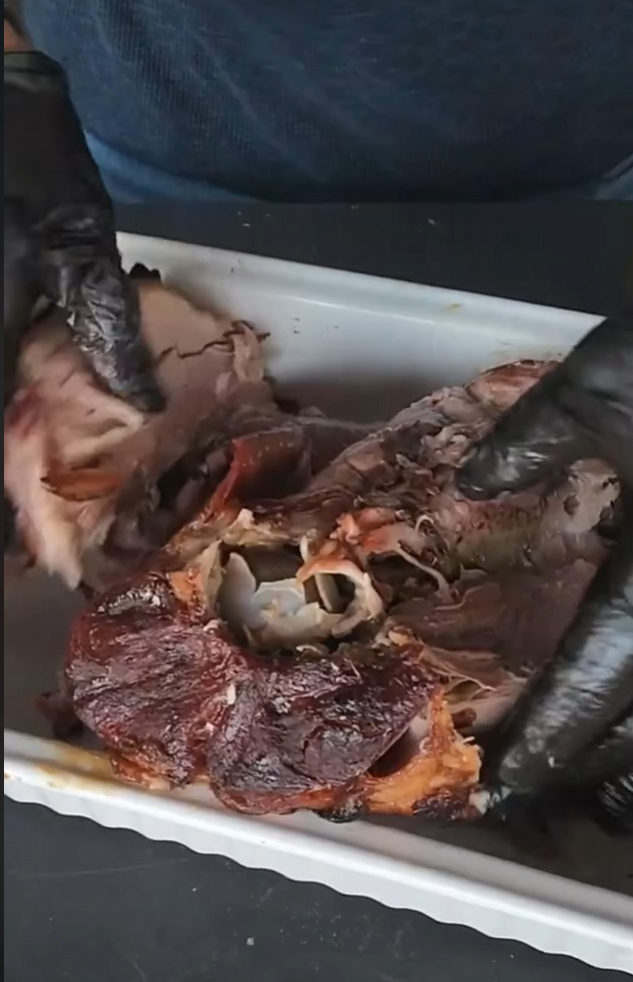
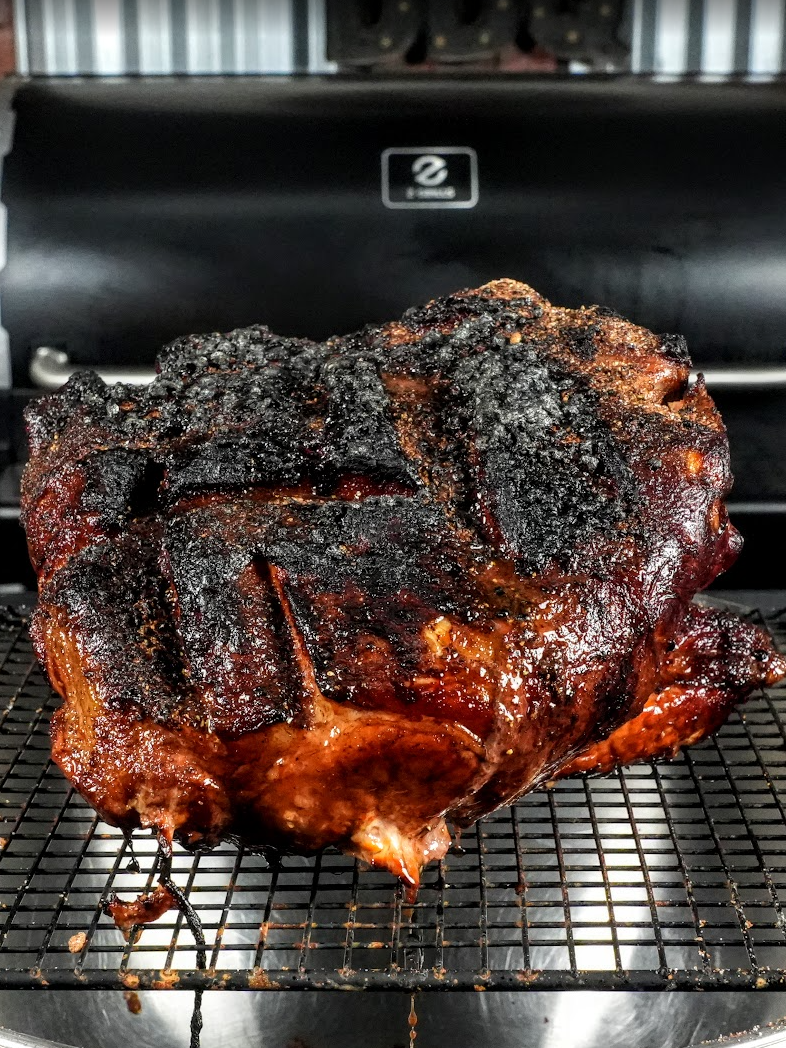
A good pork shoulder can handle a lot of flavor, and this Maple Pulled Pork proves it. We’re building a dark, sticky maple crust around tender smoked pork, with enough savory seasoning underneath to keep it from tasting like dessert.
More recipes from @thegalleryBBQ that you'll love
Watch How to Make It
I love this one because the work happens before the smoker ever gets hot. Give that shoulder a few days in the fridge with brown sugar, maple syrup, and seasoning, then let low smoke do its thing. The outside turns mahogany and tacky, the inside stays juicy, and the whole backyard smells like sweet wood smoke and barbecue heaven.
This is the kind of pulled pork that works piled high on a bun, tucked into tacos, or eaten straight from the cutting board while nobody is looking. No judgment here.
Why You'll Love This Recipe
The big win is that maple flavor is not just brushed on at the end. It has time to work into the pork while the brown sugar and seasoning create a thick crust that turns beautifully dark in the smoker. You get sweet, salty, smoky, and porky all in the same bite.
I also like that this cook stays simple once the meat hits the pit. No spritzing every twenty minutes, no complicated sauce schedule, and no babysitting a pork shoulder all day. We smoke it unwrapped long enough to build bark, wrap it when that color is locked in, then cook until it feels like soft butter.
An 8 to 9 pound Boston butt makes enough food for a serious backyard crew. It’s great for game day, family cookouts, tailgates, or meal prep because it reheats like a champ. Trust me, leftovers disappear faster than a cold beer in July.

Get @thegalleryBBQ’s Latest Creations
Subscribe to get new content from @thegalleryBBQ delivered to your inbox.
Ingredients & Tools You'll Need
You only need four ingredients for the pork itself – one pork shoulder, Buck’s Seasoning, brown sugar, and organic maple syrup. I use a Boston butt in the 8 to 9 pound range because it has plenty of marbling and connective tissue, which is exactly what makes pulled pork rich instead of dry.
The maple syrup should be real maple syrup, not pancake syrup. Real syrup brings a deeper woodsy sweetness that plays well with smoke, while the brown sugar helps create that dark, caramelized outside layer we’re after. Go generous with the seasoning too – this is a big cut of meat, and pork shoulder can take it.
For tools, I grab a large pan or food safe container for the fridge, plastic wrap or a lid, paper towels, butcher paper, an instant read thermometer, and meat claws or two sturdy forks. A probe thermometer is especially handy because tenderness matters more than chasing one exact number.
How To Make It
This is a simple smoke, but there are a couple spots where patience makes all the difference. The three day marinade is part of the recipe, not an optional little extra, so plan ahead before you fire up the smoker.
We’re also not adding the leftover marinade to the finished pork. It has been in contact with raw meat, so it gets discarded after the shoulder comes out. The flavor we need is already on and in that pork.
Preparation
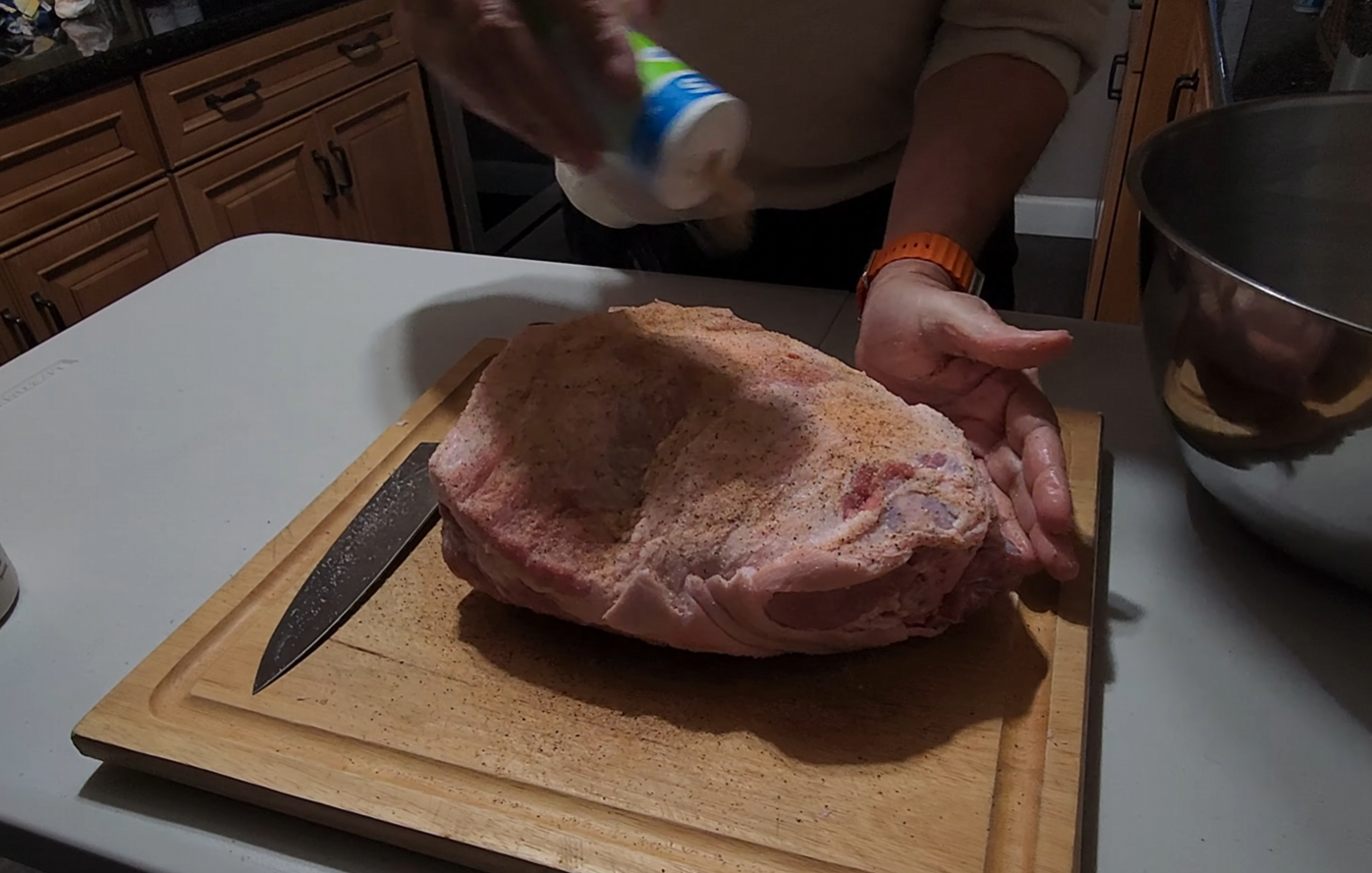
Start by poking the pork shoulder all over with a fork. Make plenty of little holes across every side, especially through the fat cap, so the seasoning, brown sugar, and maple syrup have a few paths into the outer layer of meat.
Coat the whole shoulder generously with Buck’s Seasoning. Then pack brown sugar over every surface until the pork looks fully blanketed, not lightly dusted. Drizzle organic maple syrup over the top, sides, and bottom until it looks glossy and well coated.
Set the pork in a large pan or container, cover it, and refrigerate it for three days. Turn it two or three times each day so the syrupy mixture moves around the roast and the flavor develops evenly. By the end, the outside will look darker, wet, and almost cured with that sweet maple smell.
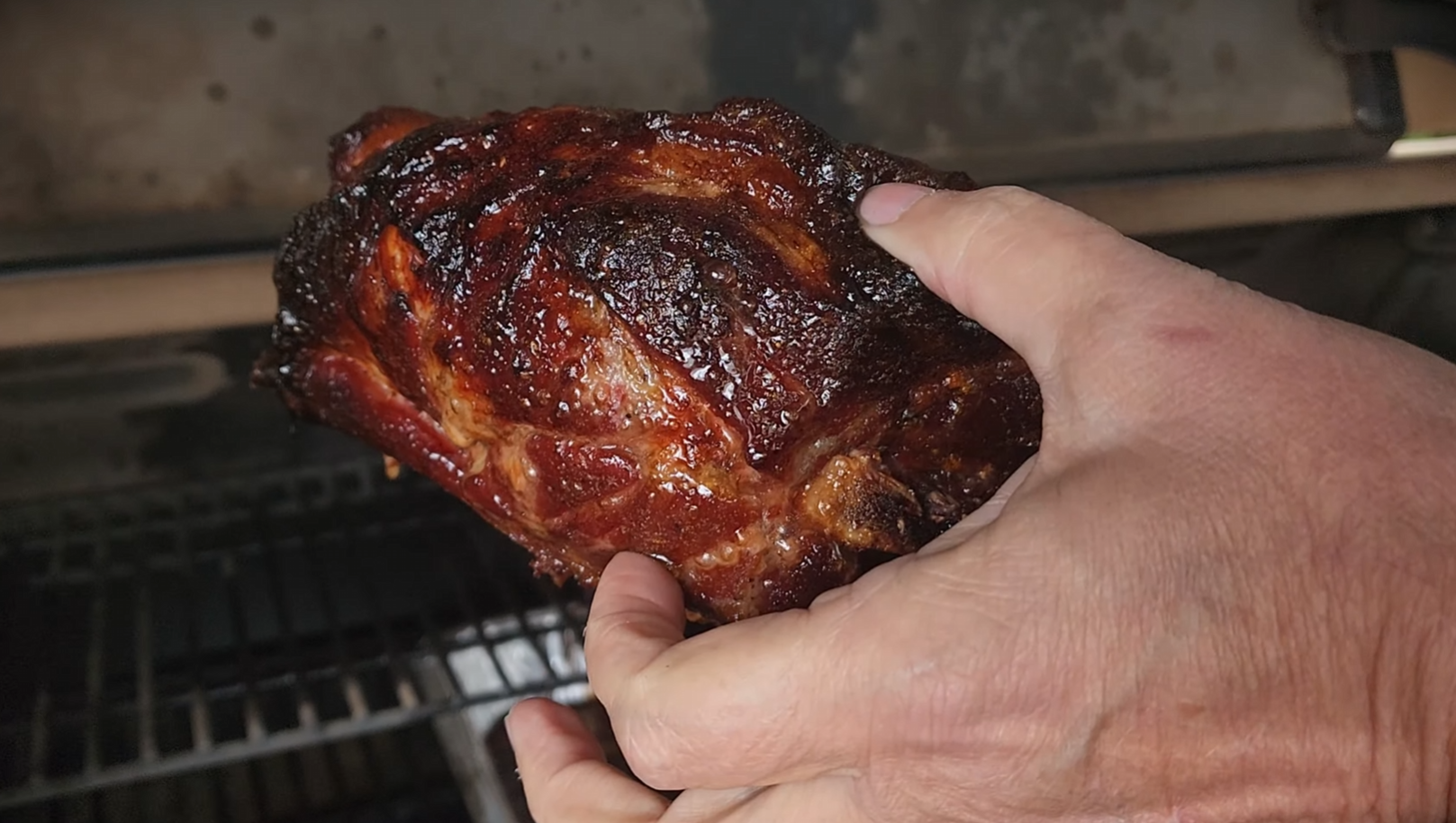
This is where most recipes go wrong: they add maple flavor near the end, but I let it work on the pork for three full days so the sweet crust tastes layered instead of sitting on top like a glaze.
Cooking
Preheat your smoker to 275 degrees F. Pull the pork from the marinade, discard any leftover liquid, and pat the surface dry with paper towels if it is excessively wet. You want it seasoned and tacky, not dripping, because a dry surface grabs smoke and develops better bark.
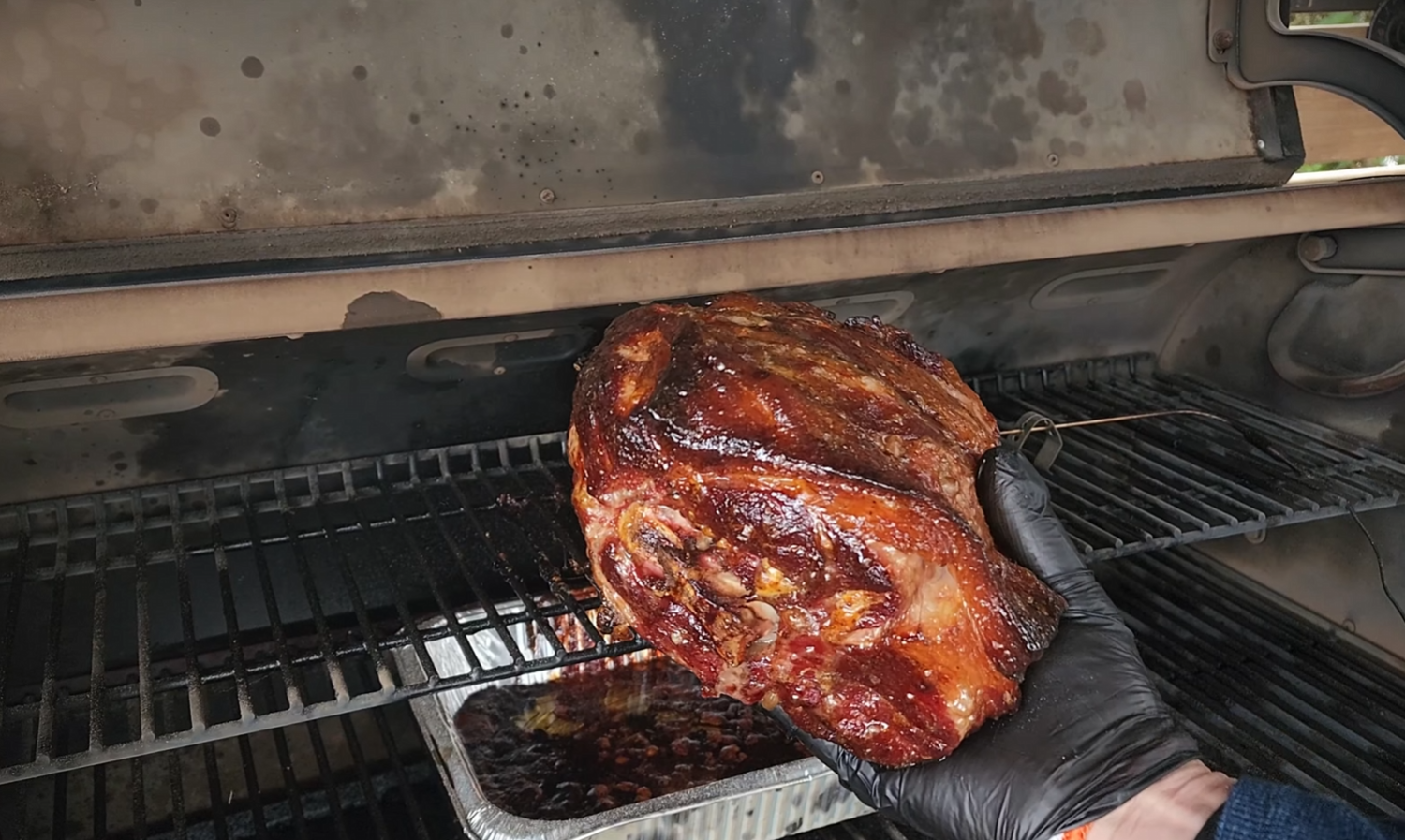
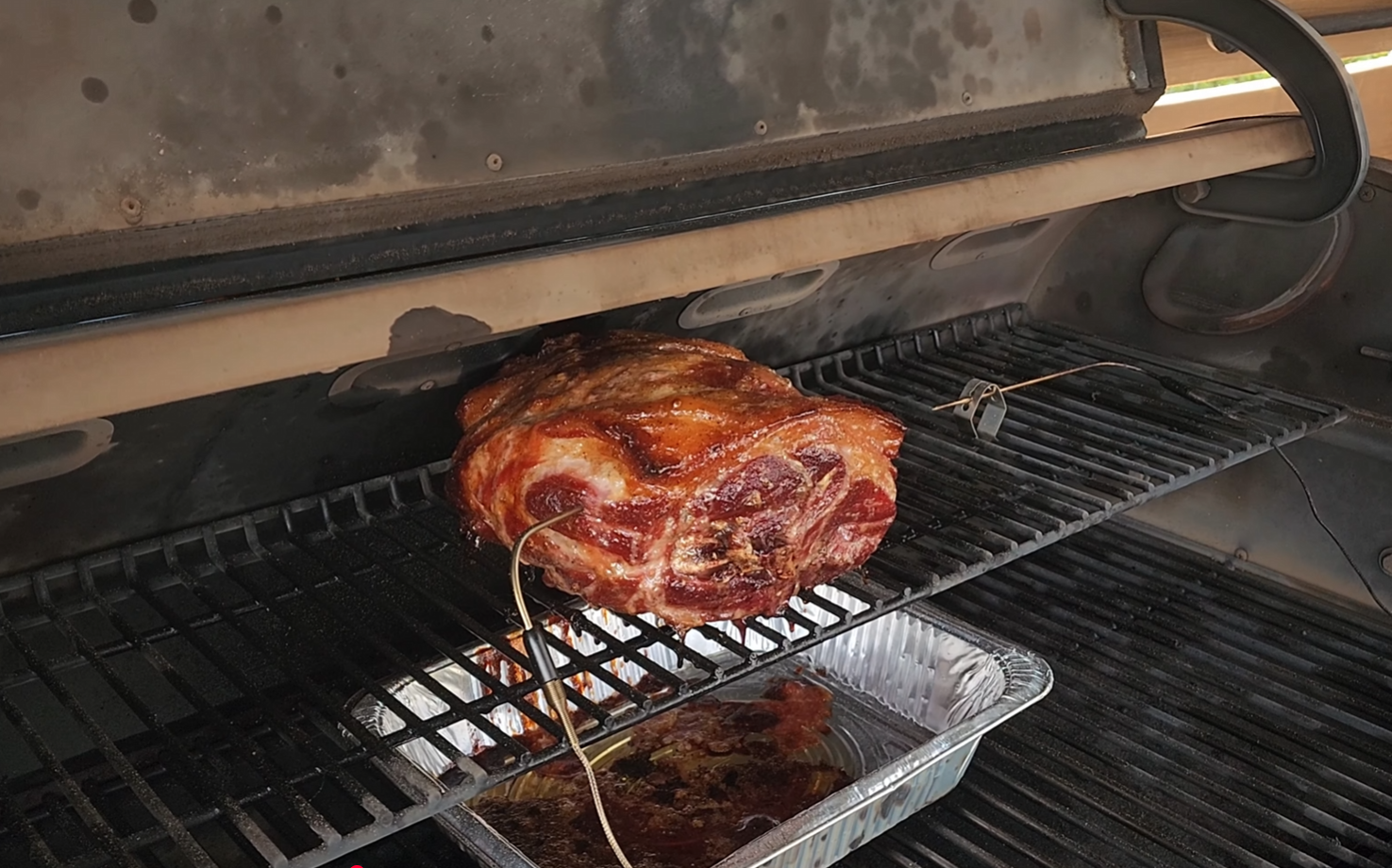
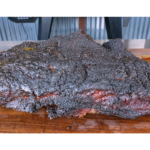
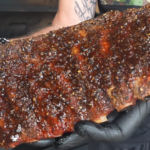
Place the shoulder directly on the smoker and let it ride for about three hours. Early on, the pork will look wet and reddish brown, and you’ll smell the maple and sugar warming into the smoke. As the cook rolls along, that surface should turn darker, firmer, and slightly crusty when you tap it with a fingertip.
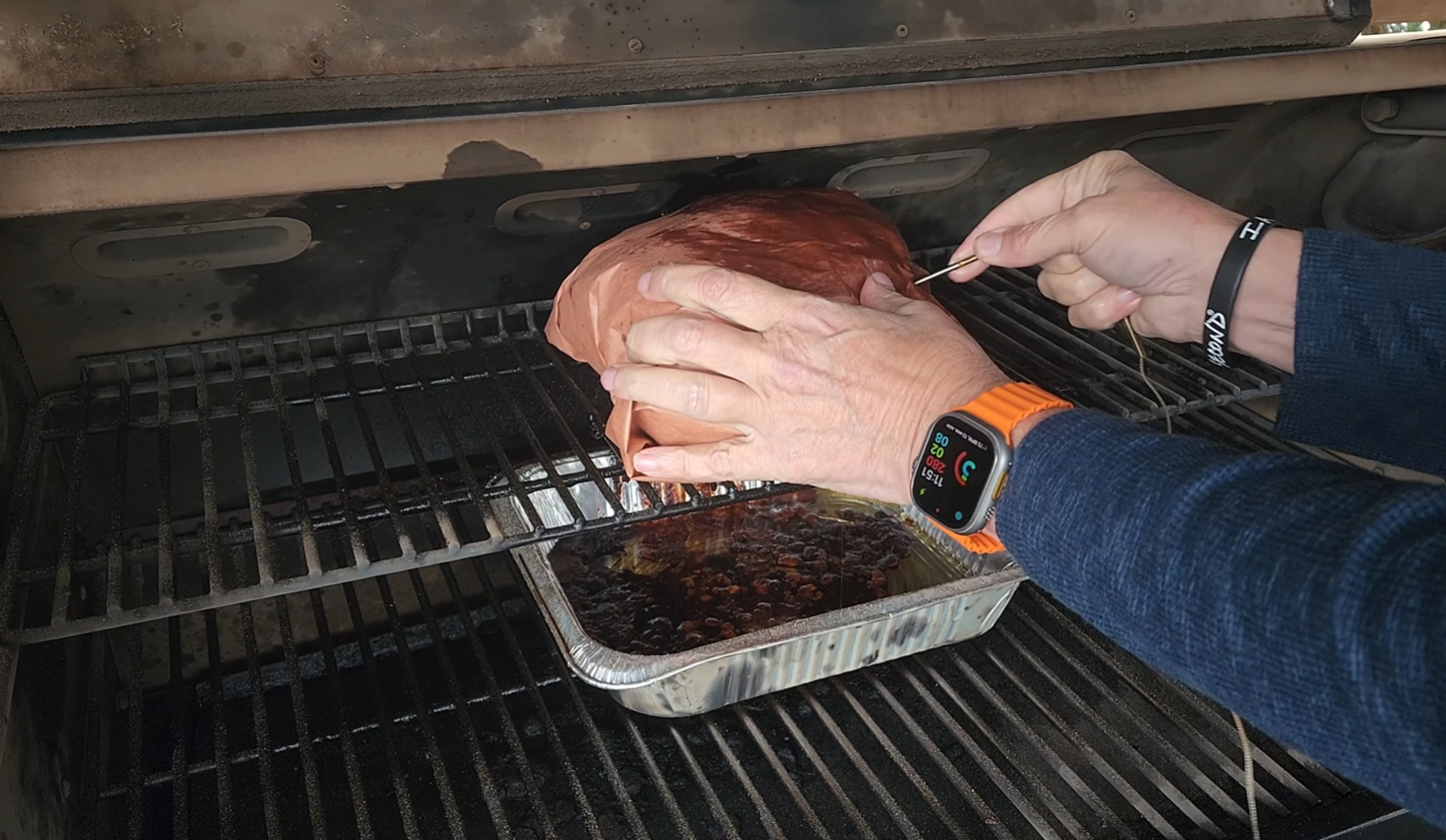
Once the bark has set and the shoulder has that deep mahogany color, wrap it tightly in butcher paper. The paper protects the bark better than a steamy foil wrap while still helping the pork power through the finish. Put it back on the smoker and keep cooking for another 2 to 3 hours.
The pork is ready when it reaches at least 200 degrees F and, more importantly, a probe or toothpick slides into several spots with almost no resistance. It should feel like pushing into softened butter, especially around the blade bone area. If the thermometer says 200 but the probe still feels tight or rubbery, leave it on – the pork is in charge, not the clock.
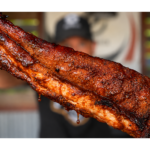
Pull it from the smoker and rest it for 30 to 60 minutes before shredding. During the rest, the wrapped shoulder will stay hot while the juices settle back through the meat. When you open the paper, you should see dark caramelized bark, tender meat that pulls apart easily, and rich juices waiting to be mixed back in.
Serving & Variations
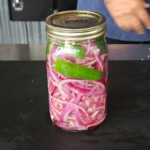
Pull the pork into bite size strands and chunks, then toss it with the juices collected in the butcher paper. I like leaving some bigger barky pieces in the mix because those chewy, smoky edges bring serious flavor. Serve it on soft buns with slaw, stack it on sliders, spoon it over baked potatoes, or load it into tacos with pickled onions.
A common consensus among home cooks is: pulled pork gets even better when you keep the bark and juices mixed through the meat instead of shredding it into tiny dry strings. I’m right there with them – pull it loosely, fold in the juices, and let every serving have a little crust.
My best pro tip is to save the pulled pork in shallow containers with a spoonful of its own juices pressed over the top before refrigerating. That little juice cap protects the meat from drying out overnight, and it reheats tender instead of turning stringy. Warm leftovers gently in a covered pan, then use them for breakfast hash, quesadillas, nachos, or grilled cheese sandwiches.
If you want a little more heat, serve the finished pork with hot sauce or peppery barbecue sauce on the side rather than changing the main cook. That way the maple smoke stays front and center, and everybody at the table can make their own plate.
Pork shoulder, also called pork butt or Boston butt, works best because it becomes tender and shreddable during slow cooking. Yes. Cook and shred the pork, then store it with some of the cooking juices in the refrigerator for up to 4 days. Reheat gently before serving. The pork is ready when it is very tender and reaches about 195F to 205F internally. A fork should easily twist and shred the meat. Yes. Pure maple syrup gives the best flavor and a more natural sweetness. Avoid heavily flavored pancake syrups if possible. Serve it on sandwich buns, over rice, or with coleslaw, roasted sweet potatoes, baked beans, or corn on the cob.Frequently Asked Questions
What cut of pork works best for maple pulled pork?
Can I make this recipe ahead of time?
How do I know when the pork is ready to pull?
Can I use maple syrup instead of pancake syrup?
What should I serve with sweet maple pulled pork?
Wrapping Up
This pork shoulder is sweet, smoky, sticky around the edges, and fall apart tender in the middle. Give it the full marinade time, watch the bark instead of obsessing over minutes, and wait for that buttery probe feel before you pull it off the smoker.
Once you taste that maple crust mixed into juicy shredded pork, you’ll see why this one earns a regular spot in the backyard rotation. Recipe created by @thegalleryBBQ for Trust Me Try It.
Even more from @thegalleryBBQ

Ingredients
- 1 pork shoulder 8 to 9 pounds, Boston butt
- Buck’s Seasoning
- Organic maple syrup
- Brown sugar
Instructions
- Using a fork, poke holes all over the pork shoulder so the flavors can penetrate.
- Generously coat the entire pork shoulder with Buck’s Seasoning.
- Pack a thick layer of brown sugar onto the pork, making sure every side is covered.
- Drizzle organic maple syrup over the entire pork shoulder until well coated.
- Place the pork in a large pan or container, cover, and refrigerate for 3 days. Turn the pork 2 to 3 times each day so it marinates evenly.
- Preheat your smoker to 275°F.
- Remove the pork from the marinade and discard the remaining marinade. Pat the pork dry with paper towels if needed.
- Place the pork directly on the smoker and smoke for about 3 hours.
- Wrap the pork tightly in butcher paper.
- Continue cooking for another 2 to 3 hours, or until the pork reaches an internal temperature of at least 200°F and a probe or toothpick slides into the meat with very little resistance.
- Remove the pork from the smoker and let it rest for 30 to 60 minutes.
- Pull the pork apart using meat claws or forks. Mix the pork with the flavorful juices and serve.