Pulled Pork: No Wrap Overnight Method
Author

Want to see more of my creations?
Tell Google you want to see more of my creations in your search results.
There is nothing better than waking up to a smoker rolling steady and an 8 to 10 pound pork butt already doing the hard work. This Pulled Pork: No Wrap Overnight Method gives you that dark, crunchy bark, clean smoke flavor, and pork so tender it practically falls apart when you look at it sideways.
More recipes from @thegalleryBBQ that you'll love
Watch How to Make It
I like this cook because it does not need foil, butcher paper, or a bunch of mid-cook babysitting. You season it up, let the smoker work overnight, then finish it hot with a tangy vinegar baste that cuts right through all that rich, juicy pork.
The key is patience. We are not racing through the stall or steaming away that bark – we are letting the outside build flavor while the inside slowly turns buttery soft.
Why You'll Love This Recipe
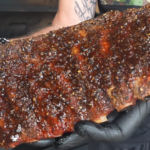
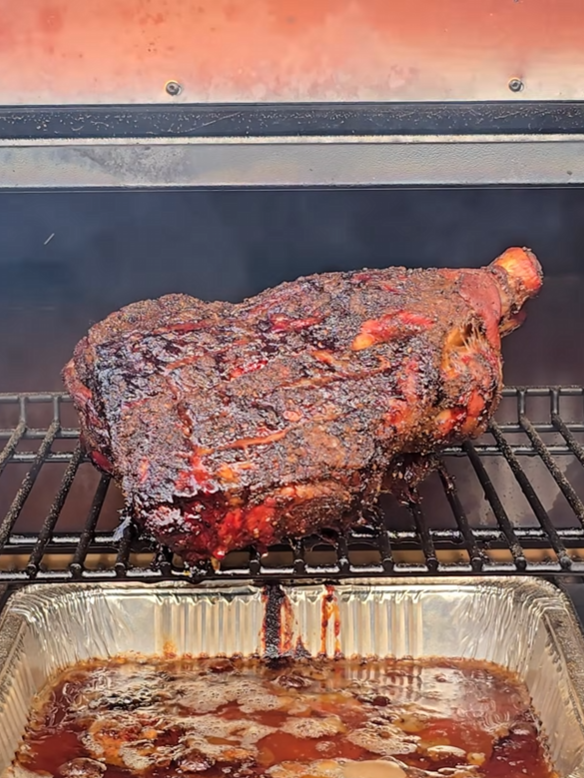
No-wrap pork butt is all about bark, and this one delivers the goods. The scored surface catches rub in every little pocket, turning into deep mahogany crust with smoky, savory edges mixed all through the pulled pork.
An overnight pork shoulder cook is also just plain practical. I can get the meat on at night, leave it alone while it smokes at 225°F, and wake up to a pork butt that is well on its way without hovering over the smoker every hour.
Then there is that final vinegar sauce baste. The pork gets tender and rich over a long cook, so the sharp, tangy finish wakes everything up and keeps each bite from feeling heavy. Put this on sandwiches, tacos, nachos, or eat it straight from the pan like a backyard legend – no judgment here.

Get @thegalleryBBQ’s Latest Creations
Subscribe to get new content from @thegalleryBBQ delivered to your inbox.
Ingredients & Tools You'll Need
You only need a big pork butt or pork shoulder, your favorite pork rub, and Killer Hogs Vinegar Sauce. I use an 8 to 10 pound butt because it handles the long overnight cook beautifully and gives you plenty of bark, plenty of tender interior meat, and enough leftovers to make the next day pretty great too.
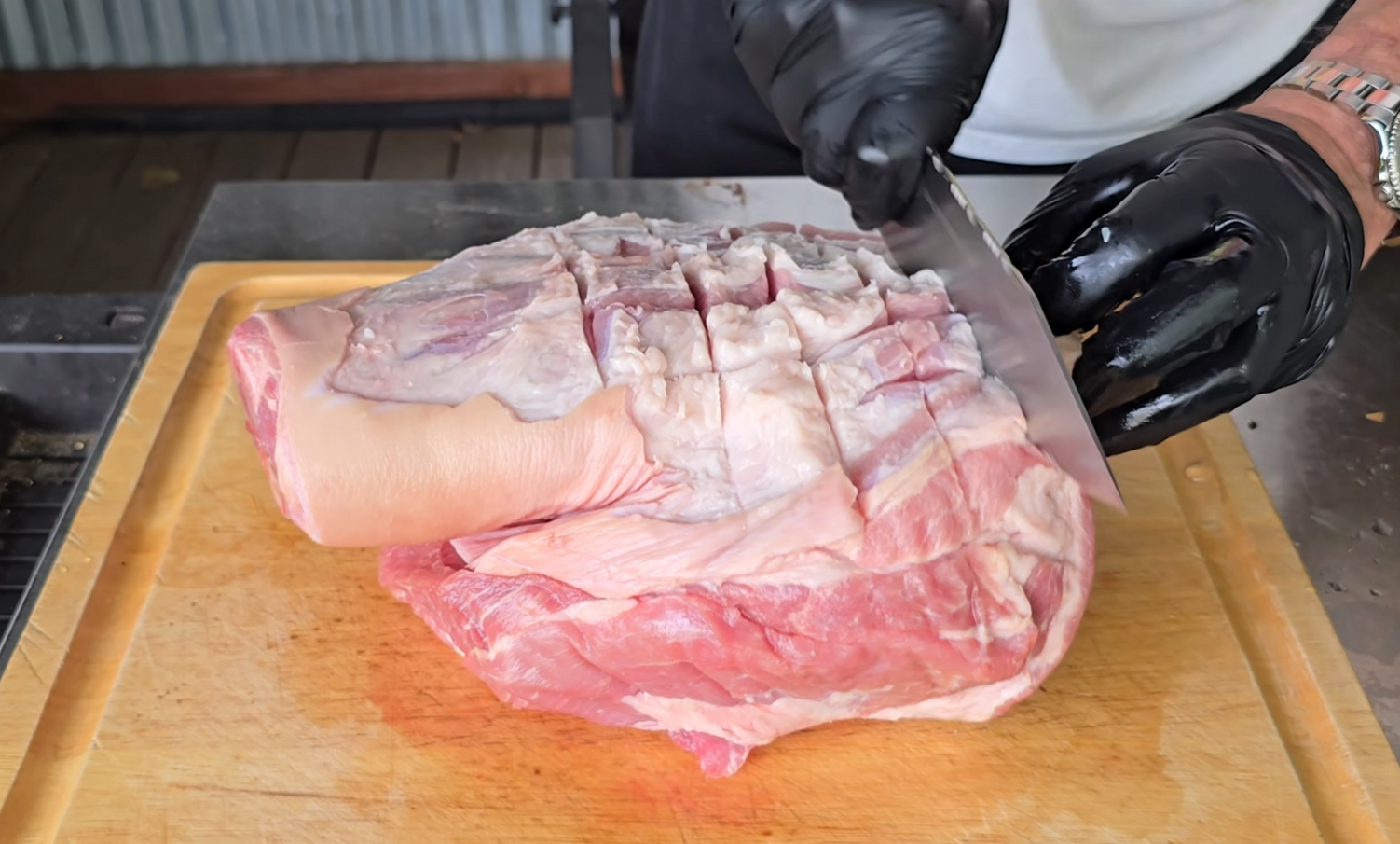
Your rub should be something you genuinely like, because it is doing a lot of the flavor work here. Go generous with it, especially in the crosshatch cuts, since those little pockets season the meat beyond the surface and make the bark even more interesting once it is pulled.
For tools, grab paper towels, a sharp knife, a cutting board, a smoker, a reliable probe thermometer, and meat claws or clean gloved hands for pulling. A water pan is optional, but I like setting one beneath the pork if my smoker tends to run dry because it helps create a more forgiving cooking environment.
How To Make It
This is a hands-off overnight no-wrap pulled pork cook, but it is not a set-it-and-forget-it cook all the way to the finish. The early stage is about leaving the pork alone so the bark can set, while the late stage is where we raise the heat, watch the feel of the meat, and build that tangy glazed finish.
Internal temperature matters, but tenderness gets the final vote. Every pork butt has its own schedule, so do not yank it off just because a thermometer shows a particular number if your probe still feels like it is pushing into a potato.
Preparation
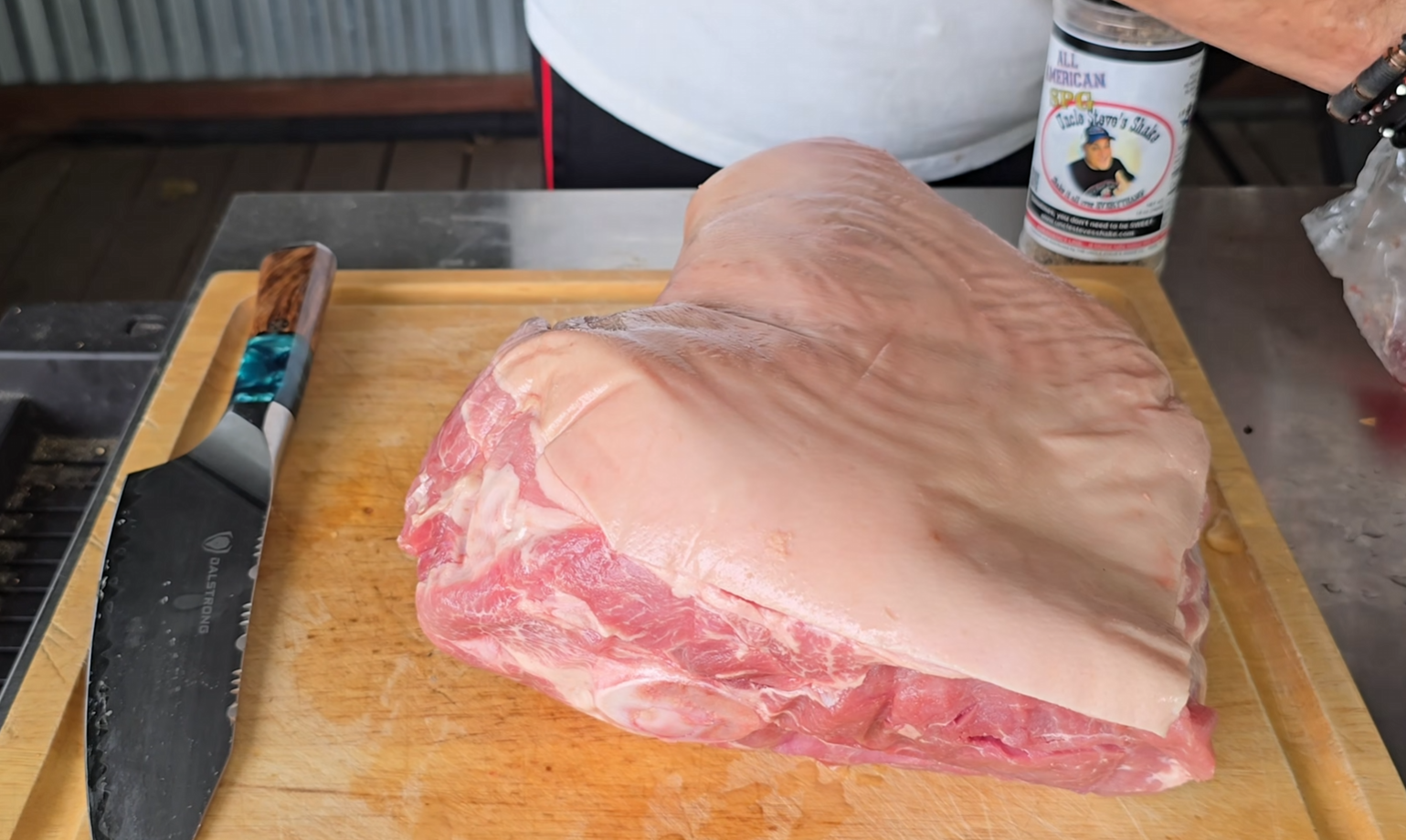
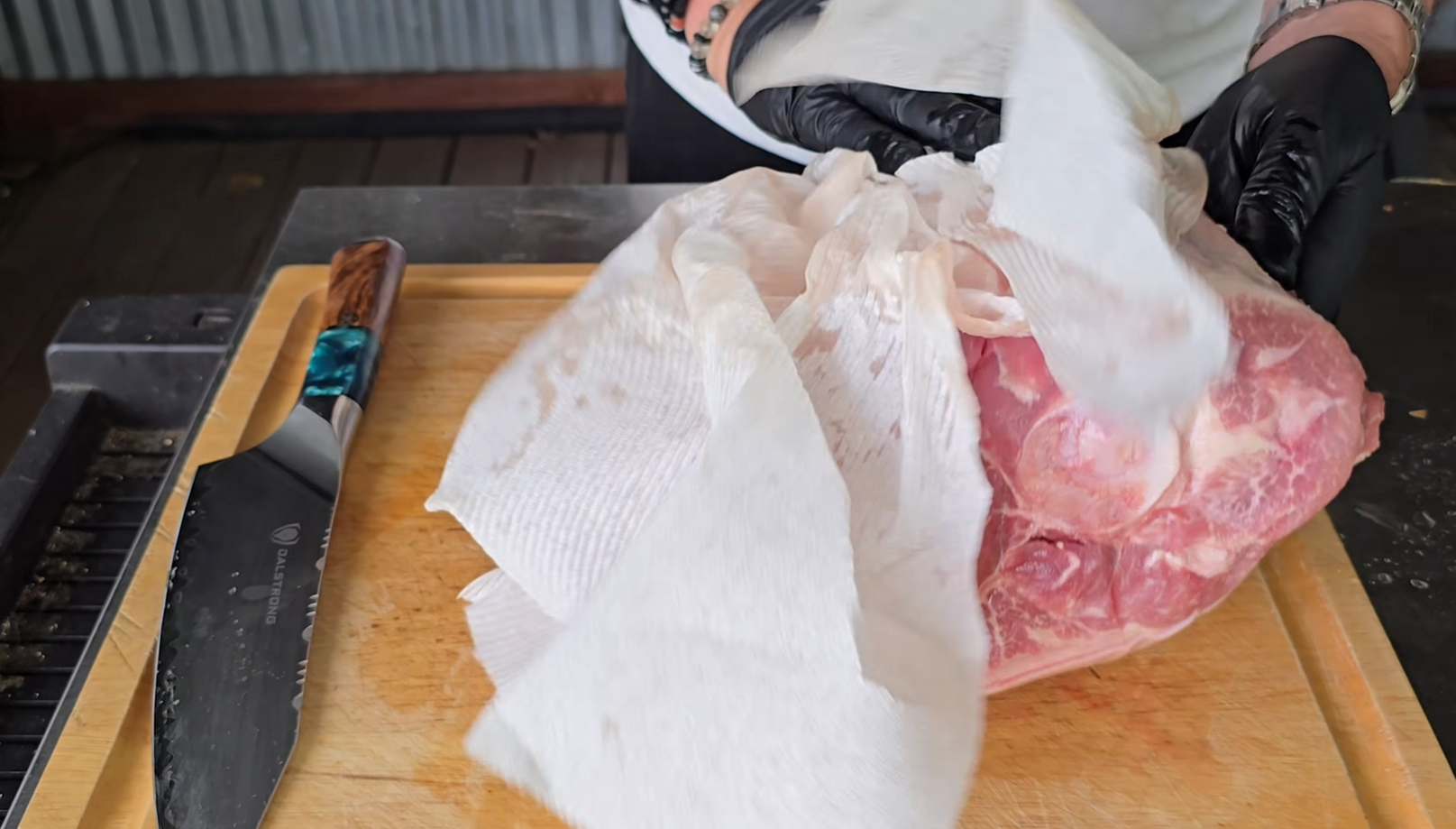
Start by taking the pork butt from the package and patting it completely dry with paper towels. Dry meat takes rub better, and it also helps the outside begin developing that crust instead of looking wet and muddy during the first part of the smoke.
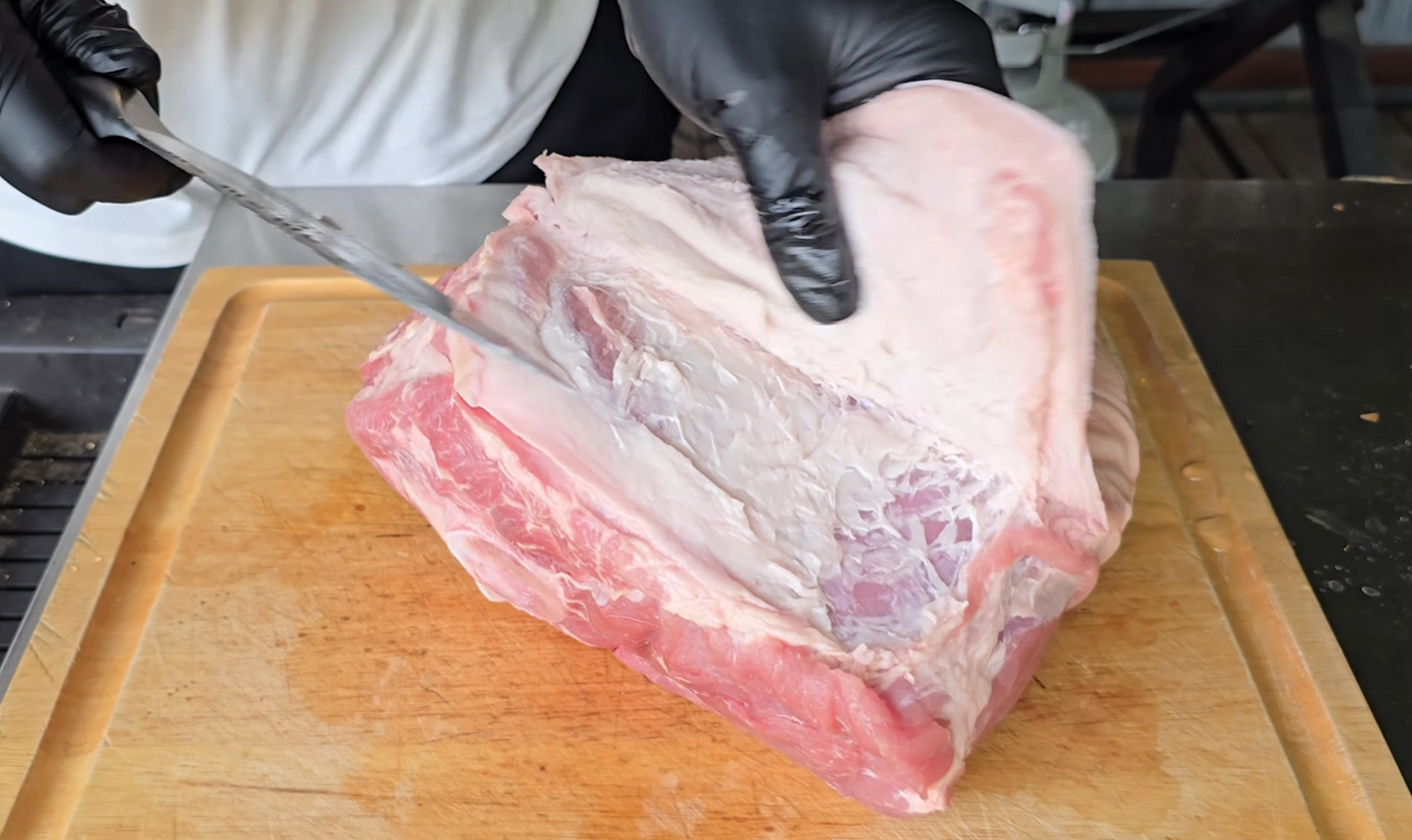
Trim off the fat cap, then score the top of the pork in one direction before cutting across it to make a crosshatch pattern. Keep those cuts fairly shallow – you want more seasoning and bark surface, not chunks of pork separating before they have had time to cook together.
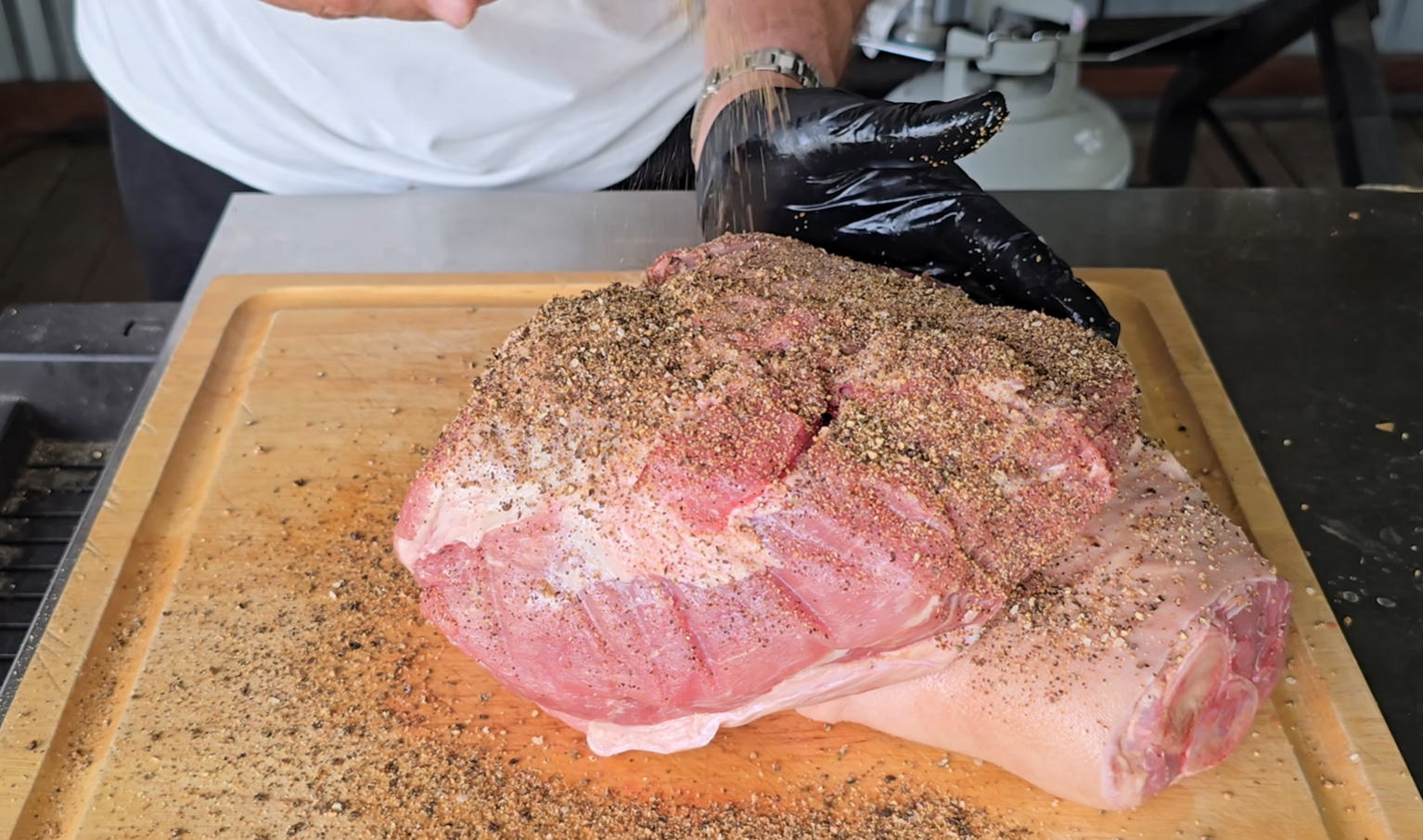
Work your favorite pork rub all over the butt and press it into every scored cut. Let the pork sit on the cutting board while you preheat the smoker to 225°F, and if you are using a water pan, get it placed on the shelf below where the pork will sit.
This is where most recipes go wrong: they rush to wrap the pork during the stall, which softens the bark and turns the finish more pot-roast-like than barbecue. I leave this pork unwrapped so the rub can dry, darken, and form a proper crust before the higher-temperature finish.
Cooking
Place the seasoned pork butt on the middle rack and let it smoke undisturbed overnight at 225°F. At first, the rub will look dry and dusty, then it will darken as rendered fat and smoke settle into it – that shift is exactly what you want.
Do not spritz early. When you open the smoker too soon, you lose heat and interrupt bark development, so let that outside set up first while the pork takes on a deep smoky smell and the surface becomes dark, dry-looking, and firm to the touch.
At around the 14-hour mark, check the pork. The bark should be dark brown to nearly black in spots without looking burned, and the internal temperature should be near 180°F, meaning you are well past the stall and ready to move this cook along.
Give the pork its first light spritz, then raise the smoker temperature to 275°F. From there, lightly spritz as needed, but do not soak the bark – you are looking to keep the surface from getting brittle, not wash away all that hard-earned seasoning.
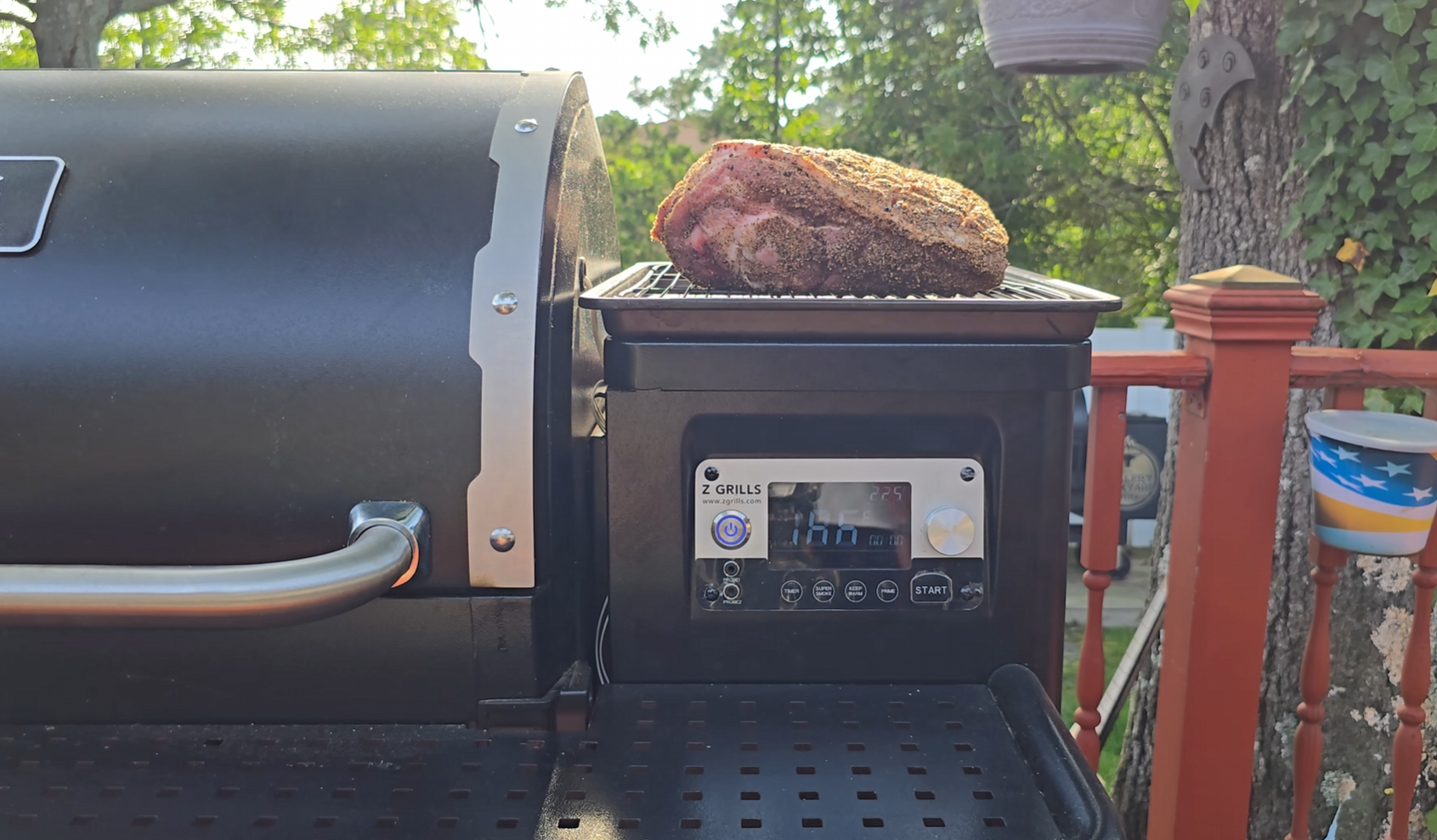
Continue smoking until the pork reaches 195°F internal. Once it gets there, begin basting it with Killer Hogs Vinegar Sauce every 15 minutes for about an hour, letting each layer tighten onto the bark and turn shiny instead of pooling or dripping off.
The smell changes during this stage. You will get that rich pork aroma first, then the sharper vinegar notes come through and make the whole smoker smell like real-deal barbecue joint food. Keep cooking until the pork is around 207°F, but test it with a probe or toothpick in several spots.
When the probe slides in with barely any resistance, like going into softened butter, it is done. If one area still feels tight or springy, leave it on a little longer and check again – tenderness beats the number every time.
Pull the pork from the smoker and let it rest before shredding. Once it has settled, pull it by hand or with meat claws, then mix the dark bark throughout the juicy interior meat so every serving gets a little smoke, rub, fat, and tang.
Serving & Variations
Pile this pulled pork onto buns for big sandwiches, load it into sliders for a crowd, or throw it onto tacos and nachos when you want something a little messy in the best way. The barky pieces are gold, so make sure you mix them through rather than leaving all the good crunchy bits in one corner of the pan.
A common consensus among home cooks is: wrapping is not necessary unless you are short on time. For an overnight pork butt, holding steady at a lower temperature and bumping the heat later gives you the bark people are chasing without sacrificing that tender, juicy pull.
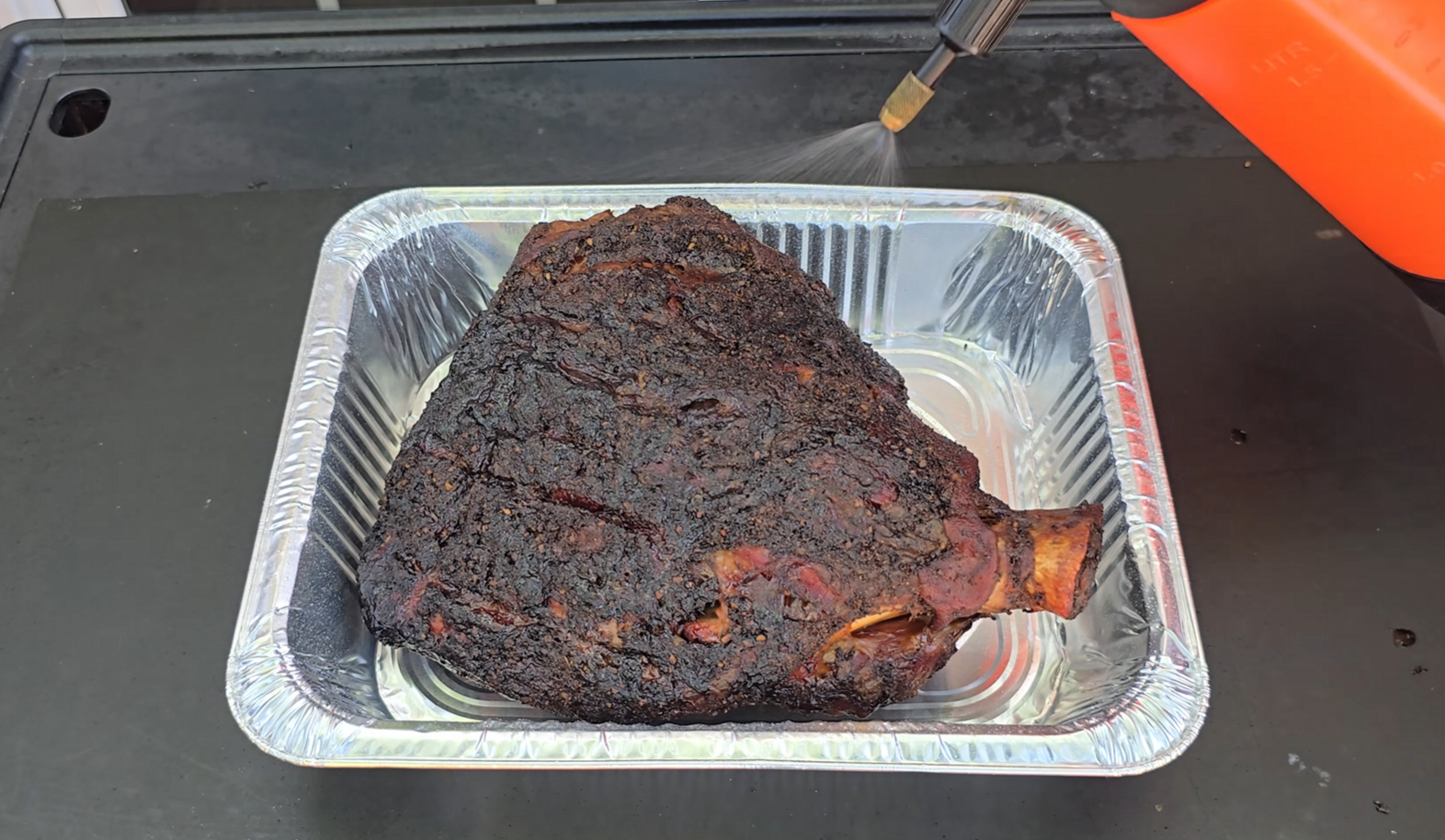
My best tip is to save the vinegar sauce basting until the pork is already at 195°F and the bark is fully set. That late basting window gives you tangy flavor without softening the crust – it is a small move, but it makes a huge difference in the final bite.
If you have leftovers, keep the pulled pork together with its juices and bark instead of separating the crispy pieces out. Reheat it gently in a covered pan so the meat stays moist, then uncover it near the end if you want to wake the bark back up a little.
Cook the pork at 225F to 250F for a low and slow overnight smoke. Start checking for tenderness when the internal temperature reaches about 195F. The pork shoulder stays unwrapped for the entire cook. This creates a firmer, darker bark and avoids steaming the exterior in foil or butcher paper. A pork shoulder usually takes 10 to 16 hours, depending on its size, cooking temperature, smoker conditions, and when it becomes probe tender. The pork is done when a thermometer probe slides into several areas of the meat with very little resistance, similar to soft butter. This often happens between 195F and 205F. Yes. Rest the pork for at least 30 minutes before pulling. For even better results, hold it wrapped in a cooler or warm oven for 1 to 3 hours before shredding.Frequently Asked Questions
What temperature should I cook pulled pork overnight?
Why is this called a no wrap method?
How long does overnight pulled pork take?
How do I know when the pulled pork is done?
Should I let pulled pork rest before shredding?
Wrapping Up
This overnight no-wrap method is one of my favorite ways to cook pork butt because it keeps the process simple and the result loud with flavor. You get a deep smoky crust, tender strands of pork, and that vinegar finish that makes you reach back into the pan before the first sandwich is even gone.
Take your time, trust the probe test, and do not get nervous when the cook seems slow. That long ride is where the magic happens, and when that pork starts pulling apart with almost no effort, you will see why I keep coming back to this method.
Recipe created by @thegalleryBBQ for Trust Me Try It.
Even more from @thegalleryBBQ

Ingredients
- 1 pork butt or pork shoulder 8-10 pounds
- Your favorite pork rub
- Killer Hogs Vinegar Sauce
Instructions
- Prep the Pork
- Remove the pork butt from the packaging and pat it completely dry with paper towels. Trim off the fat cap, then score the top of the meat in one direction before making crosshatch cuts in the opposite direction. These cuts help the seasoning penetrate deeper and create even more flavorful bark.
- Coat the pork generously with your favorite pork rub, making sure to work the seasoning into all the scored cuts. Let it rest on the cutting board while you fire up the smoker.
- Fire Up the Smoker
- Preheat your smoker to 225°F. This recipe is designed for an overnight cook, but you can also start it early in the morning for an all-day smoke.
- If you’d like to add extra moisture to the cooking environment, place a water pan on the shelf beneath the pork.
- Smoke Overnight
- Place the pork on the middle rack of the smoker and let it cook undisturbed overnight. Resist the urge to spritz early-you want that bark to develop.
- After 14 Hours
- Around the 14-hour mark, the bark should be dark and well formed. Spritz the pork for the first time, then increase the smoker temperature to 275°F.
- At this stage, the pork should be around 180°F internal temperature, well past the stall.
- Finish the Cook
- Continue cooking while lightly spritzing as needed until the pork reaches 195°F.
- Once it hits 195°F, begin basting the pork with Killer Hogs Vinegar Sauce every 15 minutes for about 1 hour. This creates a flavorful, tangy finish that complements the rich pork perfectly.
- Continue cooking until the internal temperature reaches approximately 207°F, or until a probe or toothpick slides into the meat with little to no resistance.
- Rest & Pull
- Remove the pork from the smoker and let it rest before pulling. Shred the meat by hand or with meat claws, mixing the flavorful bark throughout the pork.
- Serve on sandwiches, sliders, tacos, nachos, or enjoy it just as it is.
- Oh, hell yeah! 🔥🐷